The India vs Pakistan clash at the Asia Cup 2025 in Dubai was billed as the biggest game of the tournament. Instead, it turned into the biggest episode of a political soap opera masquerading as sport. A game that was supposed to be about runs, wickets, and boundaries was hijacked by handshakes, boycotts, anthem blunders, and official protests.
What should have been remembered as India’s dominant win is now archived as the day cricket packed its bags and let geopolitics run the show. It was less a contest of bat and ball, more a Bollywood-meets-UN drama staged in a stadium.
With the shadow of the Pahalgam terror attack looming, even the toss felt like a courtroom verdict. Every gesture, or lack thereof, was judged under a microscope. And by the time the lights dimmed, the world realized one thing: the Asia Cup had just hosted the loudest silence in sporting history. Welcome to the five-act play of chaos.
Table of Contents
Handshake-Gate: The day courtesy went on strike
If you thought handshakes were the simplest ritual in cricket, think again. India’s skipper Suryakumar Yadav, fresh off a convincing win, decided his palm was too sacred for diplomacy. The Indian players, in lockstep, marched off the ground like soldiers retreating after victory, straight into a locked dressing room. No smiles, no pats on the back, not even the cricketing equivalent of a nod at the opposition.
When asked, Surya didn’t flinch, he declared the act was deliberate, a tribute to the victims of Pahalgam and the soldiers of Operation Sindoor. Pakistan, meanwhile, cried foul, calling it the death of the “Spirit of Cricket.”
But let’s be honest, when was the last time a handshake won a war? On social media, hashtags like #HandshakeGate and #SpiritOrSpite went viral faster than an inside edge flying past slip. For the Asia Cup, this wasn’t just a handshake refusal, it was the kind of political theatre that could put parliament to shame. And cricket? Well, it was demoted to a prop in this grand play of defiance.
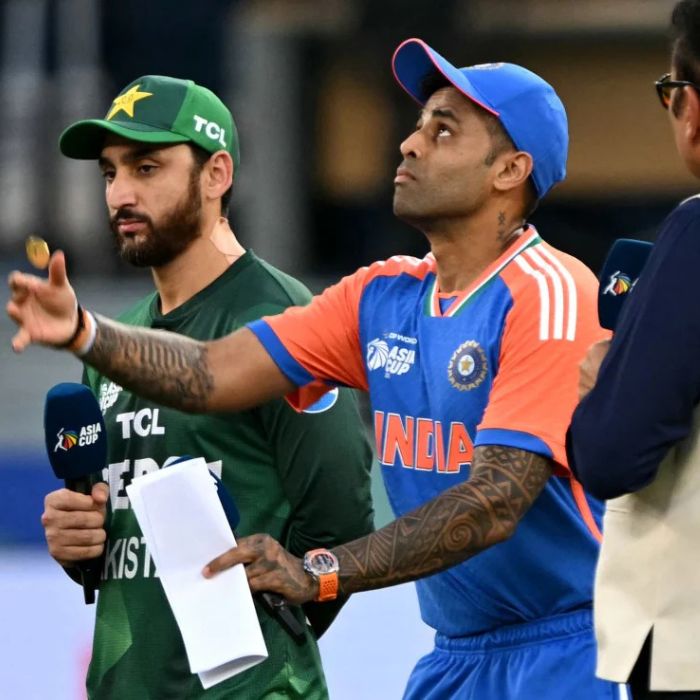
Presentation boycott: When Pakistan sent its RSVP as 'not attending'
If India had the handshake walkout, Pakistan had its own theatrical flourish: a boycott of the post-match presentation. Their captain Salman Ali Agha simply didn’t show up. For the broadcasters, it was a logistical nightmare, like hosting a wedding where the groom refuses to stand next to the bride. The PCB wasted no time in issuing a statement, declaring this was a protest against India’s ‘unsporting behaviour.’
It wasn’t just absence; it was weaponised absence, a silence that spoke louder than any microphone could. The empty podium turned into a metaphor for the fragile state of Indo-Pak cricket relations. The Asia Cup organizers, caught in the crossfire, tried to move on, but the image of a missing captain lingered. By refusing to even share a stage, Pakistan ensured the presentation ceremony was remembered not for Player of the Match awards, but as an awkward theatre of dissent. If cricket is about making statements, this one was written in bold, underlined twice and shouted from a loudspeaker.
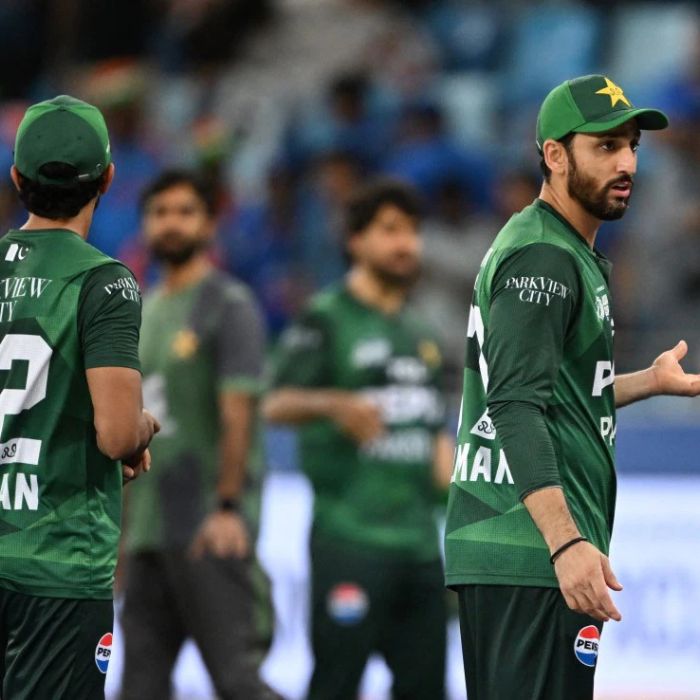
Toss trouble: No handshake, No problem
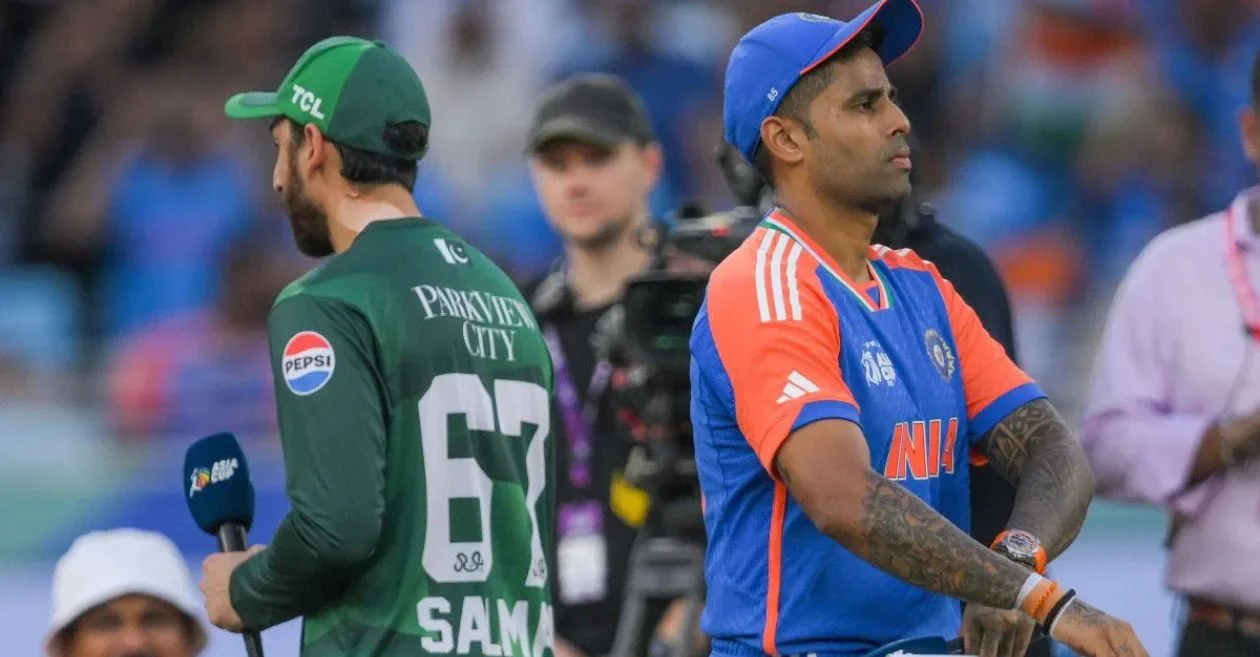
The drama didn’t begin after the match, it started right at the toss. In a move more suited to international summits than cricket matches, referee Andy Pycroft allegedly advised both captains to skip the handshake altogether. What’s usually a 10-second courtesy became a political grenade waiting to explode.
Suryakumar and Salman Agha stood stiffly, tossed the coin, and retreated like schoolboys told to stay in separate corners. On paper, this seemed trivial. But in the Asia Cup’s charged environment, it was the opening act of a much bigger play.
Imagine an opening scene where two protagonists refuse even to acknowledge each other’s existence, what follows can only be melodrama. The lack of a handshake at the toss didn’t just hint at tension; it announced it with fireworks. By the time the match began, everyone knew they weren’t watching cricket, they were witnessing a carefully choreographed cold war in coloured jerseys.
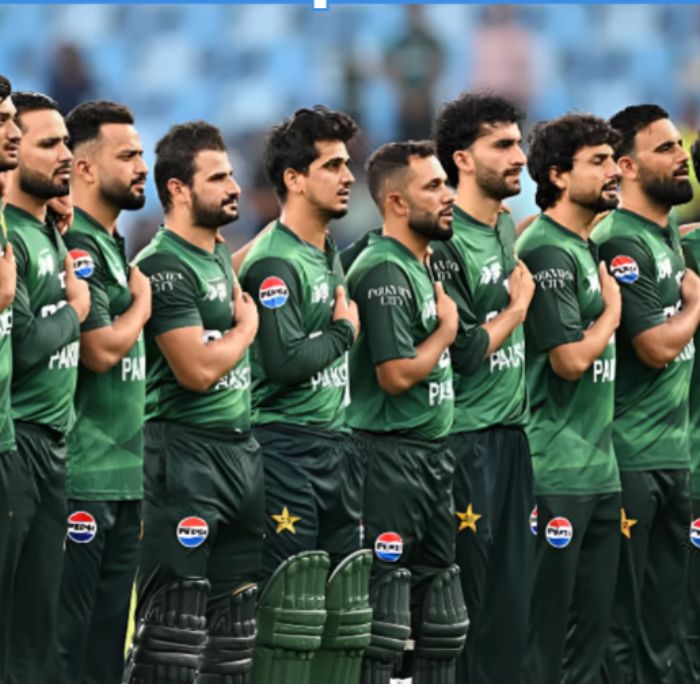
Anthem or auto-tune? The jalebi baby disaster
If there’s one way to guarantee outrage, it’s to mess up a national anthem. The Asia Cup organisers managed to do exactly that, and with flair. As Pakistan lined up for their anthem, the stadium speakers blared out ‘Jalebi Baby’ by Tesher and Jason Derulo.
Yes, you read that right. For five surreal seconds, Pakistan’s players stood frozen as a TikTok-pop anthem about syrupy desserts replaced the solemnity of Qaumi Taranah. The organisers quickly corrected the mistake, but by then the damage was viral. Social media turned into a meme factory, with captions like ‘From Qaumi Taranah to Jalebi Baby, sweet or sour?’
The Pakistani players, visibly fuming, had every right to feel humiliated. In the Asia Cup’s long history of gaffes, this one instantly took the crown. What should have been a proud pre-match ritual turned into a comedy sketch, and nothing screams ‘political disrespect’ louder than dancing to the wrong tune.
Formal protest: PCB vs ACC, The final overspill
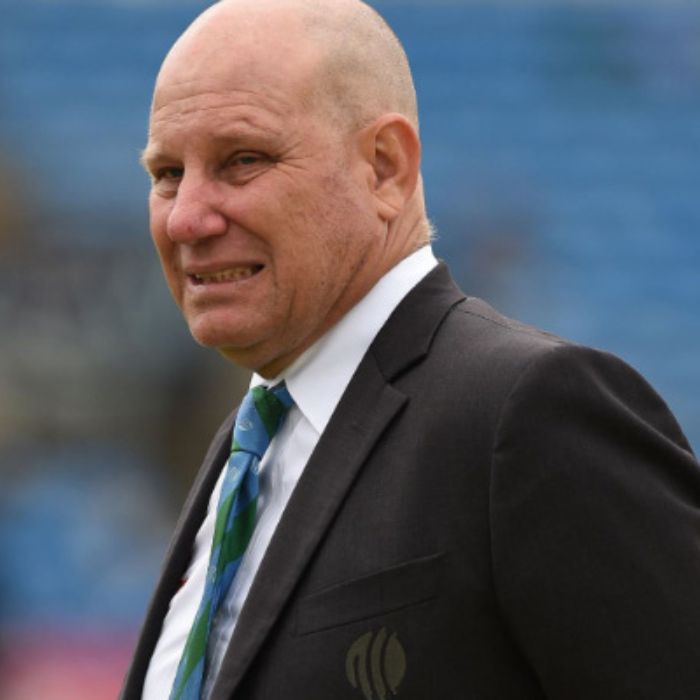
As if all this wasn’t enough, Pakistan decided to escalate matters into boardroom warfare. The Pakistan Cricket Board (PCB) filed a formal protest with the Asian Cricket Council (ACC), accusing India of violating cricket’s code and demanding the removal of Andy Pycroft as match referee.
According to the PCB, Pycroft had not only failed to enforce the Spirit of Cricket but had actively contributed to the fiasco by advising against handshakes and allegedly siding with India’s stance. This wasn’t just a cricket protest, it was diplomacy in cricketing whites.
The Asia Cup, meant to showcase Asian cricketing unity, suddenly found itself hosting a tribunal of grievances. If the game was a match, the aftermath was a sequel, complete with letters, legalese, and ultimatums. The controversy grew so large that the result of the match, India’s comfortable win, became a footnote. For the Asia Cup, it wasn’t about runs or wickets anymore; it was about reputations, politics, and a tournament caught in the storm.
Frequently Asked Questions
The match in Dubai was overshadowed by off-field drama including India’s refusal to shake hands, Pakistan’s boycott of the presentation ceremony, anthem blunders, and formal protests. Instead of being remembered for cricket, it turned into a spectacle of political theatre.
After India’s win, captain Suryakumar Yadav and his team deliberately skipped the post-match handshake with Pakistan as a tribute to victims of the Pahalgam terror attack and soldiers of Operation Sindoor. Pakistan called it unsporting, sparking a storm on social media with hashtags like #HandshakeGate.
Pakistan captain Salman Ali Agha refused to attend the presentation ceremony in protest against India’s actions. This created an awkward situation for organisers and broadcasters, with an empty podium symbolising political dissent more than cricket.
Before the match, the organisers accidentally played “Jalebi Baby” instead of Pakistan’s national anthem, Qaumi Taranah. Although corrected quickly, the five-second error left Pakistani players furious and became an instant viral meme.
The Pakistan Cricket Board (PCB) lodged an official complaint with the Asian Cricket Council (ACC), accusing referee Andy Pycroft of mishandling the situation and siding with India. They demanded his removal and accused India of violating the Spirit of Cricket.
Amar Pal Singh Bhalla is a sports writer covering cricket, football and tennis.
Based in India, he has followed the game for the last few years and writes
match analysis, previews and features for Beyond The Score