Table of Contents
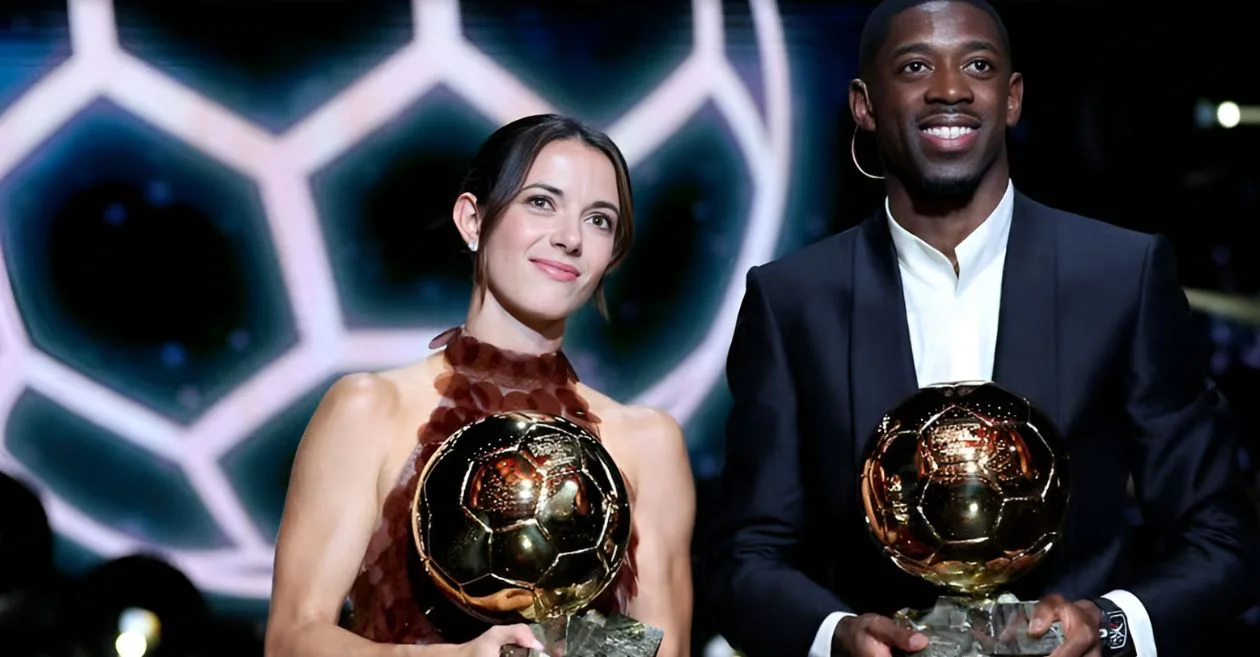
Paris was ablaze few nights ago, in the way only football can manage: fireworks, flashing cameras, and a vibe somewhere between Cannes red carpet and a disco in a cathedral.
Ousmane Dembélé lifted the men’s Ballon d’Or like it was a baguette fresh out of the oven, eyes glittering, legs probably still sore from 25 goals in 20 games, and fans outside chanting his name as if he had personally invented Paris. Aitana Bonmatí casually collected her third straight Golden Ball, demonstrating that consistency, brilliance, and an ability to defy finals losses will always trump hype, social media clout, and viral dances.
England also crashed the ceremony, with Sarina Wiegman, Hannah Hampton and Arsenal taking home awards, prompting half-hearted boos from Parisians, who secretly knew they had just witnessed excellence. By the end, fireworks lit the Seine like Diwali, Barcelona’s prodigy Lamine Yamal received the Kopa Trophy with a smile that said ‘next time,’ and the world realized the Ballon d’Or is not just football, it’s theater, politics, and glitter all rolled into one unforgettable night.
Ousmane Dembélé: From Benchwarmer to Parisian hero
Once upon a time, Dembélé was PSG’s sulky side character, the player whose tantrums were almost as famous as his dribbles. A screaming match at Rennes saw him left out of the squad, but fast-forward 12 months and he’s the toast of Paris, literally celebrated with pyrotechnics along the Seine.
Luis Enrique had a brainwave, ‘What if we play him in the middle?’, and suddenly Dembélé became a scoring machine, netting 25 goals in 20 games as if someone had sprinkled magic over his Christmas turkey. The Champions League final against Inter was cinematic: Dembélé crouched like a sprinter before launching his press, prompting even the haters to whisper ‘iconic.’
Tears flowed at the podium, his mother joined him, confetti fell, cameras clicked, this was not just a victory, it was a full-on emotional Netflix drama. From tantrums to trophies, from bench to Ballon d’Or, Dembélé’s journey proved that sometimes redemption is just goals, patience, and a holiday feast away.

Aitana Bonmatí: Three-peat queen defying gravity
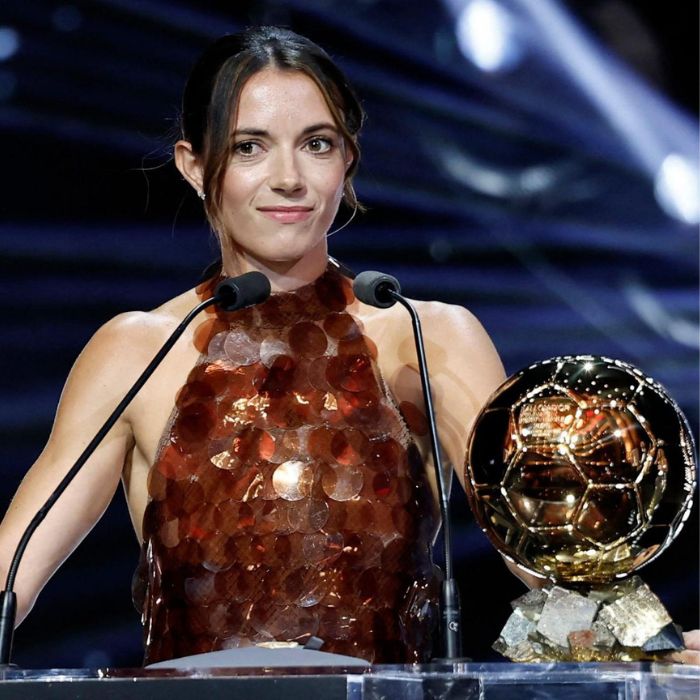
Aitana Bonmatí isn’t just a player, she’s a phenomenon. Winning one Ballon d’Or is elite; two is legendary; three in a row is Messi-Platini level immortal. Despite losing the Euro final to England and the Champions League final to Arsenal, she strutted onto the stage like a queen of football, proving that talent laughs at results. Viral meningitis almost sidelined her before Euro 2025, yet she returned stronger than ever, midfield genius in every pass, dribble, and tactical insight.
Barca didn’t win, Spain didn’t win, yet Bonmatí did, and she did so with a calm superiority that suggested she already knew the voters’ hearts belonged to her. Alessia Russo may have scored in finals, but on this night, Bonmatí was untouchable. The moral? Skill, poise, and sheer influence matter more than silverware, and if you make commentators scream ‘MAGNÍFICA!’ consistently, trophies are secondary. Her three-peat is a reminder: consistency isn’t boring, it’s unbeatable.
England invasion: Lionesses take the stage, Parisians take the L
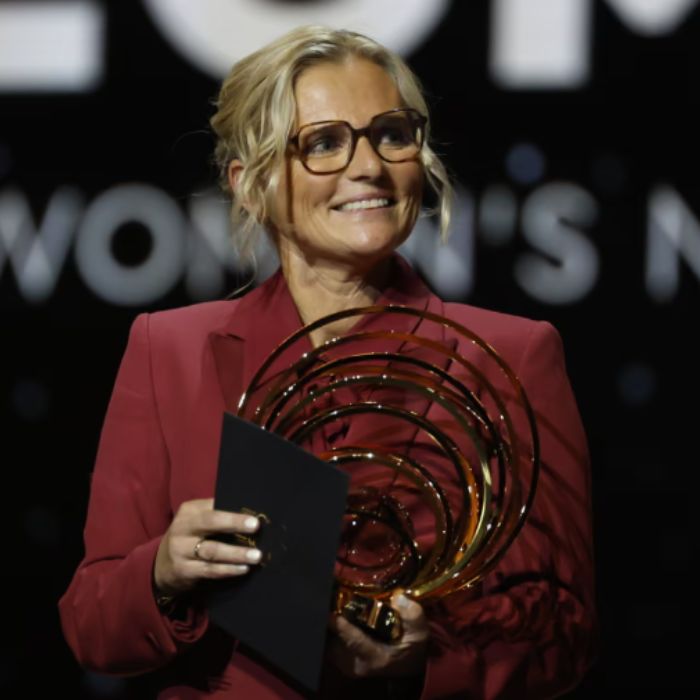
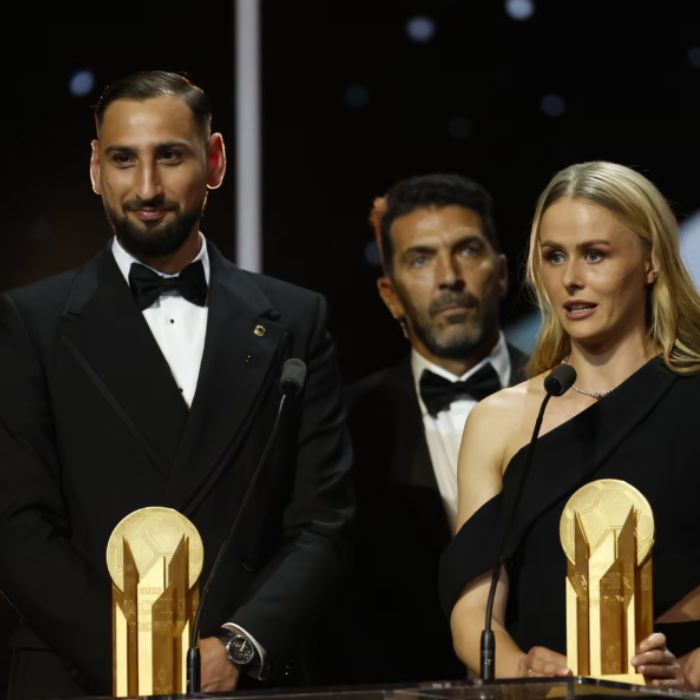
The English arrived, and suddenly the Ballon d’Or felt like a Lionesses takeover. Sarina Wiegman won the Johan Cruyff Award for top coaching, Hannah Hampton bagged the inaugural Women’s Yashin Trophy, and Arsenal claimed Club of the Year, sparking boos from Parisians who clearly underestimated the power of a well-coached team. Alessia Russo, despite missing out on the Golden Ball, got cheers that rivaled some male nominees, reminding everyone that English football is loud, proud, and hard to ignore.
Wiegman used the podium wisely, speaking on inclusion and fighting misogyny, while half the room shuffled awkwardly in Prada, trying to look supportive without drawing attention. England didn’t just win trophies, they owned microphones, red carpets, and social media moments. The Lionesses showed that domination isn’t always about scoring goals; sometimes it’s about making sure everyone knows you run the ceremony, even in the heart of Paris.
Lamine Yamal: Baby GOAT with a 'come back later' award
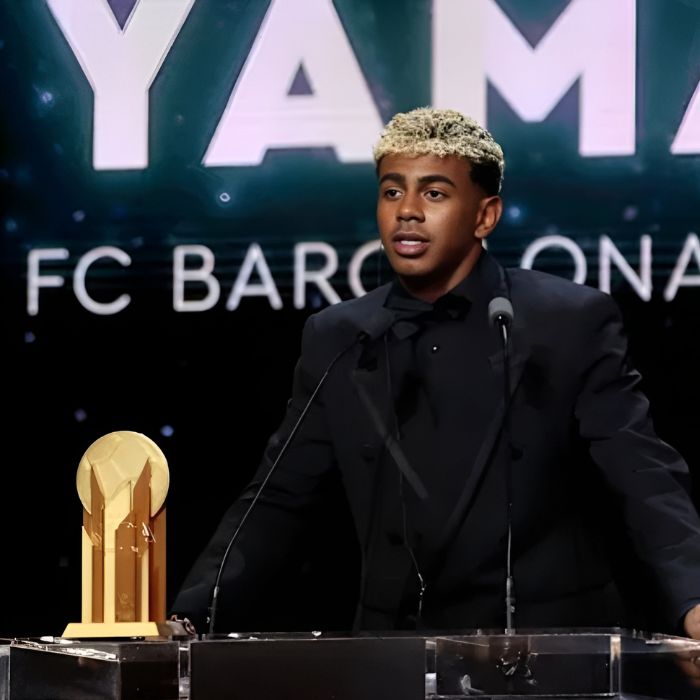
Lamine Yamal, at 18, already has a CV that reads like a seasoned veteran: domestic treble, goals galore, fashion sense that would make Milan designers weep. Yet the Ballon d’Or podium offered him only the Kopa Trophy, a polite way of saying, ‘Nice try, kid, next time.’ Dembélé claimed the big prize, probably leaving Yamal equal parts motivated and salty. Coach Hansi Flick assured reporters it was a lesson in patience, but let’s be real: it’s pure salt with a side of humility.
Still, Yamal’s star is rising. He’ll come back, bigger, stronger, and ready to turn future award ceremonies into personal playgrounds. If this were a Marvel movie, last night was his origin story, the sequel is “Ballon d’Or 2027: The Yamal Era”, complete with dramatic dribbles, slow-motion goals, and a world wondering how an 18-year-old can already dominate football without even breaking a sweat.
PSG, Paris and the art of turning awards into spectacle
PSG chairman Nasser al-Khelaifi didn’t just host the Ballon d’Or, he produced it, branded it, and sold it like a blockbuster. Théâtre du Châtelet became a Qatari-backed parade; fireworks illuminated the Seine, fans chanted as if they had personally scored the goals, and influencers posed with the seriousness of Nobel laureates.
France hadn’t seen a Ligue 1 winner since Jean-Pierre Papin in 1991, so naturally the city treated it like national liberation day. Meanwhile, Arsenal’s Viktor Gyökeres quietly took home the Gerd Müller award, unnoticed amid the glittering spectacle. Paris didn’t just host the Ballon d’Or, they made it theatre, politics, and party all rolled into one. And it worked. The stars shone, the drama unfolded, and the city proved it can make football look as spectacular as it feels, even if half the trophies went home with slightly offended English players.
Also READ: The real truth or just trolling? Why Mo Salah crowns Arsenal as 2025/26 Premier League favourites
Frequently Asked Questions
Ousmane Dembélé claimed the men’s Ballon d’Or after a sensational season with PSG, scoring 25 goals in 20 games. Aitana Bonmatí took the women’s Ballon d’Or, marking her third consecutive win and cementing her status as one of football’s all-time greats.
The event was a spectacle: fireworks lit up the Seine, stars walked the red carpet, and awards were handed out to key figures, including Sarina Wiegman (Johan Cruyff Award), Hannah Hampton (Women’s Yashin Trophy), and Arsenal (Club of the Year). Lamine Yamal received the Kopa Trophy, signaling his bright future in football.
Dembélé’s journey from a sporadically used squad player to Ballon d’Or winner is remarkable. After being sidelined and criticized, he became PSG’s scoring machine, demonstrating resilience, adaptability, and peak performance in high-pressure matches, including the Champions League final.
England dominated multiple categories: Wiegman, Hampton, and Arsenal all won awards, showing their influence off the pitch. The Lionesses’ presence highlighted tactical brilliance, inclusion, and footballing dominance, prompting a mix of applause and half-hearted boos from Parisians.
At just 18, Yamal is already considered a prodigy. Though he didn’t win the main Ballon d’Or, the Kopa Trophy acknowledges his talent and potential. Experts anticipate he will challenge for the main award in the coming years, making him one of football’s rising stars to watch.

Amar Pal Singh Bhalla is a sports writer covering cricket, football and tennis.
Based in India, he has followed the game for the last few years and writes
match analysis, previews and features for Beyond The Score