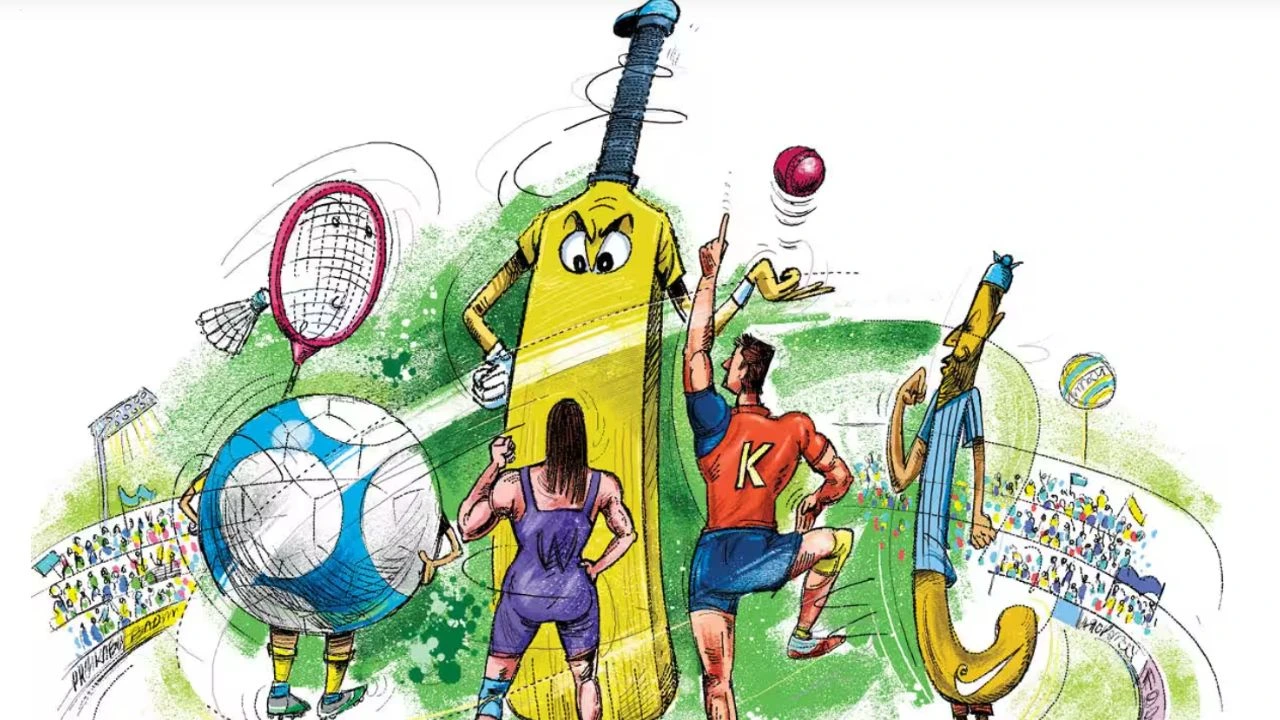
As I look back at the modern sporting era, one thing becomes impossible to ignore: greatness is rarely accidental. These athletes didn’t just master a game; they mastered discipline, obsession, repetition, pressure, and decision-making at speeds most people never experience.
Strip away the stadiums, the trophies, and the contracts, and what remains is a rare skillset that would have dominated any profession. This is not fantasy, not hype, not humor for shock value. This is a serious examination of where these same minds and bodies would naturally land if sport had never found them. I imagine these lives not as downgrades, but as parallel peaks. Different arenas, same dominance. Ten individuals. Ten alternate realities. Equal weight. Equal depth. No shortcuts.
Table of Contents
Cristiano Ronaldo
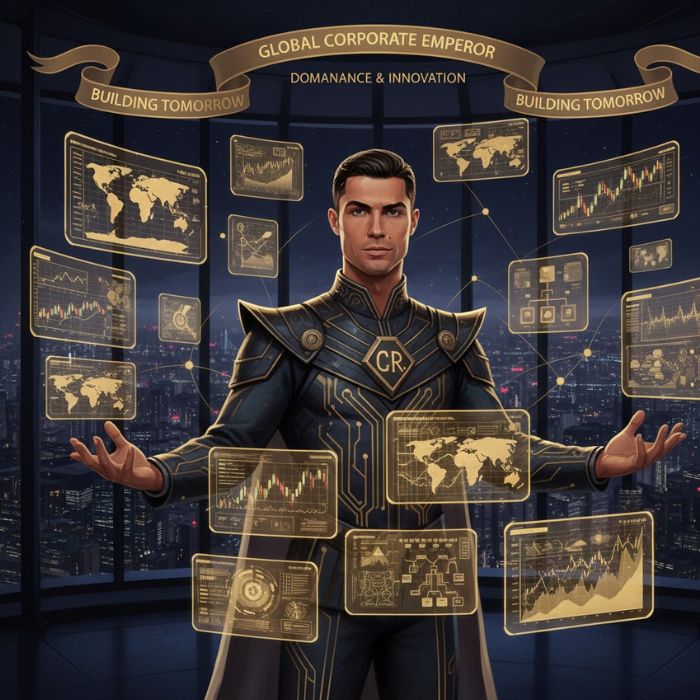
The Global Corporate Emperor:
Ronaldo’s career is defined by structure, self-management, and relentless optimisation. His discipline extends beyond performance into branding, fitness, and long-term planning. Without football, these qualities would translate seamlessly into corporate leadership. He would operate as a multinational executive overseeing luxury brands or global enterprises.
Ronaldo’s understanding of market positioning and visibility would drive expansion strategies. His leadership style would demand accountability and high standards. Growth would be measured, aggressive, and global. He would cultivate a culture of performance and resilience. Success would be quantified, not sentimental. Like his playing career, his business legacy would be built through consistency and ambition.
Simone Biles

High-Performance Psychology Expert:
Simone Biles’ career has not only redefined the outer limits of physical excellence but also reshaped how elite performers confront mental pressure. Beyond gymnastics, she would emerge as a leading authority in performance psychology, specialising in high-stress, high-stakes environments. Her lived experience at the pinnacle of global scrutiny would give her rare credibility when addressing elite anxiety, expectation, and identity.
Biles would design resilience frameworks grounded in science but delivered with deep empathy, rejecting outdated ideas of mental toughness rooted in suppression. Her programs would focus on longevity, self-regulation, and sustainable excellence rather than short-term output. She would work with leaders, surgeons, emergency responders, and elite executives, translating sporting pressure into universal human challenges. By openly integrating mental care into elite performance culture, she would help normalise psychological support at the highest levels. Her authority would stem from authenticity, evidence, and the courage to redefine strength itself.
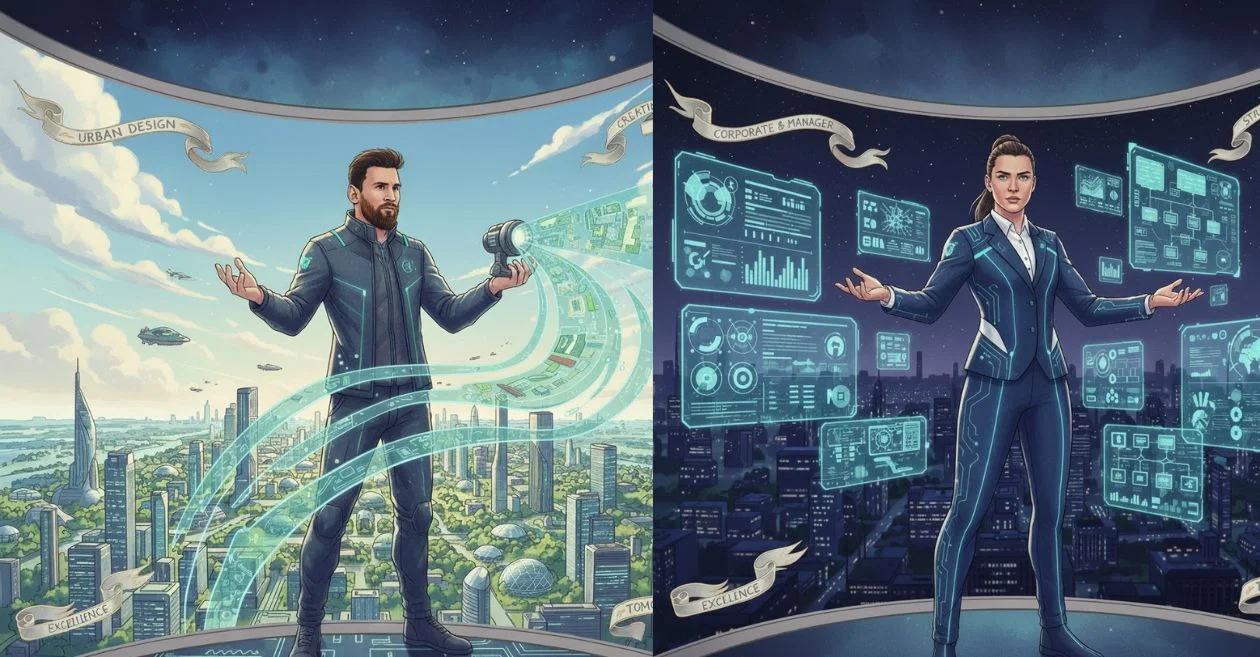
Lionel Messi
Urban Design Visionary:
Messi’s greatness has always been rooted in spatial intelligence rather than force. His ability to interpret space, anticipate movement, and act decisively reflects a mind trained in geometry and timing. Outside football, these traits would align naturally with architecture or urban planning.
Messi’s decision-making mirrors how cities function efficiently when designed with flow and balance. His quiet leadership suggests a professional who leads through outcomes rather than words. In this alternate reality, Messi would likely focus on designing intelligent, human-centric spaces. His work would prioritize simplicity, movement efficiency, and harmony. Like his football, his designs would appear effortless yet deeply calculated. Recognition would follow organically rather than through self-promotion. His projects would influence how people live and move rather than how they watch.
Caitlin Clark

Media and Sports Marketing Strategist:
Caitlin Clark’s rise reflects an instinctive grasp of attention, timing, and narrative momentum. Outside sport, she would excel as a modern media and sports marketing strategist, shaping how audiences connect with competition in the digital age. Her understanding of visibility, personality, and platform dynamics would drive innovative engagement models.
Clark would rethink how sport is packaged, distributed, and experienced, blending authenticity with spectacle. She would prioritise accessibility, ensuring that emerging voices and underrepresented platforms gain meaningful exposure. Strategy would be bold yet data-informed, balancing creativity with commercial insight. Her influence would span generations, bridging traditional sports audiences with digital-native consumers. In doing so, she would help redefine how stories in sport are told, shared, and sustained.
LeBron James
Political Leader or Education Reformer:
LeBron’s influence extends far beyond basketball through community impact and institutional thinking. His ability to unite voices and command attention reflects political leadership qualities. Outside sport, he would likely pursue public office or large-scale educational reform. His experience navigating power structures equips him to operate within governance systems.
LeBron understands visibility, responsibility, and long-term planning. His initiatives would focus on systemic change rather than symbolism. Leadership would be collaborative but decisive. He would operate at state or national level, shaping policy through strategic coalition-building. His authority would be rooted in credibility and lived experience.
Aryna Sabalenka
Corporate Crisis Manager:
Aryna Sabalenka’s ability to perform under relentless pressure mirrors the demands of corporate crisis leadership. Outside tennis, she would thrive as a high-level crisis manager in volatile business environments. Her decisiveness and emotional control would suit situations involving restructuring, negotiations, and rapid organizational turnaround.
Sabalenka would operate best when stakes are highest, cutting through noise to focus on outcomes. Her leadership style would be assertive, direct, and execution-driven, prioritising clarity over comfort. She would manage conflict without hesitation, anchoring teams during instability. Perception would matter less than results, and resilience would be non-negotiable. In moments of uncertainty, she would be the stabilising force that restores direction and control.
Novak Djokovic
Human Performance Researcher:
Novak Djokovic’s extraordinary longevity is rooted in an almost obsessive commitment to understanding the human body, mind, and recovery cycle. Outside tennis, he would naturally gravitate toward advanced research in human performance optimisation, operating at the intersection of science and lived experience. His long-standing curiosity around nutrition, psychology, biomechanics, and recovery aligns closely with cutting-edge performance science.
Djokovic would lead interdisciplinary studies that combine modern medicine with traditional practices, questioning rigid boundaries between Eastern and Western approaches. His research would focus on extending peak performance years rather than merely delaying decline. Mental resilience would be treated as inseparable from physical health, not an afterthought. He would challenge conventional assumptions around ageing, workload, and recovery ceilings. Credibility would come from years of personal experimentation under elite conditions. His findings would influence athletes, executives, and healthcare systems seeking sustainable excellence.
Iga Świątek
Systems Optimization Engineer:
Iga Świątek’s precision, discipline, and data-driven mindset align naturally with systems engineering and optimisation. Outside tennis, she would specialise in refining complex, high-performance systems across scientific or analytics-led industries. Her focus on marginal gains and repeatable excellence mirrors engineering logic at its highest level.
Świątek would approach problems methodically, relying on evidence, modeling, and continuous feedback. Decision-making would be structured and rational, with minimal tolerance for inefficiency. She would thrive in environments involving research, physics-based analysis, or advanced performance analytics. Collaboration would be organised and purpose-driven, ensuring alignment across teams. Her work would prove that excellence is not accidental but engineered through precision and process.
Max Verstappen
Aerospace Systems Engineer:
Max Verstappen’s razor-sharp precision and reaction speed reflect a mind deeply attuned to complex, high-risk systems. Outside Formula 1, he would fit seamlessly into aerospace systems engineering, where split-second decisions and mechanical reliability are non-negotiable. His intuitive understanding of feedback loops, control systems, and mechanical behaviour mirrors the core principles of flight and high-speed transport engineering.
Verstappen would thrive in environments where margins are microscopic and errors carry catastrophic consequences. His analytical approach would focus on optimising performance through incremental gains rather than dramatic redesigns. He would work within elite technical teams, contributing to projects involving propulsion, aerodynamics, or advanced transport systems. Innovation, for him, would be grounded in practicality and precision. Breakthroughs would emerge through relentless refinement, efficiency gains, and uncompromising reliability rather than theoretical experimentation.
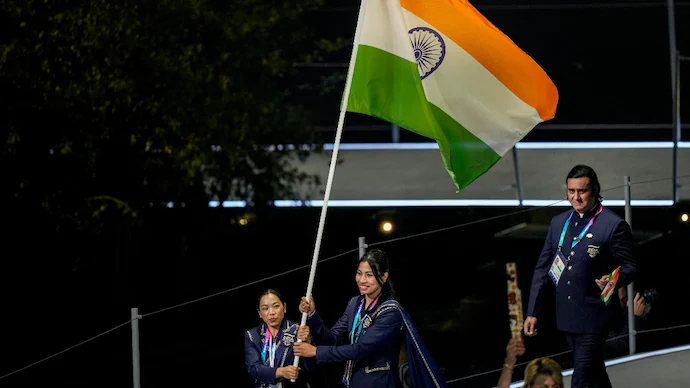
Smriti Mandhana
International Relations Diplomat:
Smriti Mandhana’s calm authority under national expectation reflects the core attributes of effective diplomacy. Outside cricket, she would excel in international relations, representing interests with composure and credibility. Her communication style balances clarity with restraint, allowing her to navigate sensitive negotiations with confidence.
Mandhana would manage bilateral and multilateral discussions, guided by cultural awareness and long-term vision. Strategy would focus on stability, trust-building, and sustainable partnerships rather than short-term wins. Her influence would be quiet but impactful, shaping outcomes without unnecessary confrontation. She would operate comfortably in global forums where nuance matters more than volume. Trust, earned through consistency and integrity, would remain her greatest diplomatic asset.
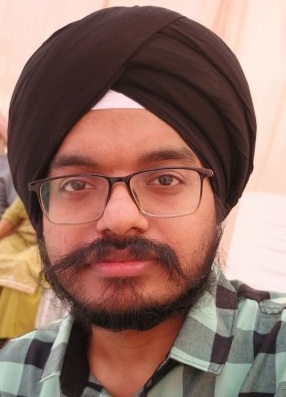
Amar Pal Singh Bhalla is a sports writer covering cricket, football and tennis.
Based in India, he has followed the game for the last few years and writes
match analysis, previews and features for Beyond The Score