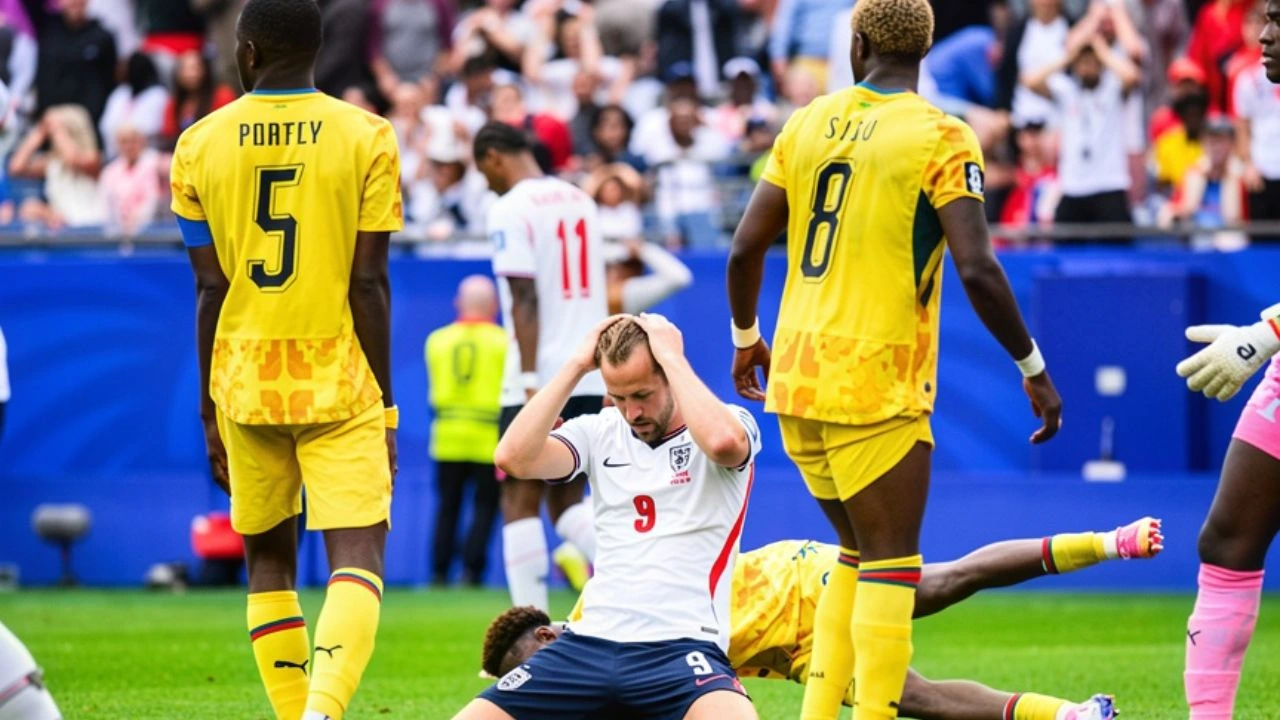
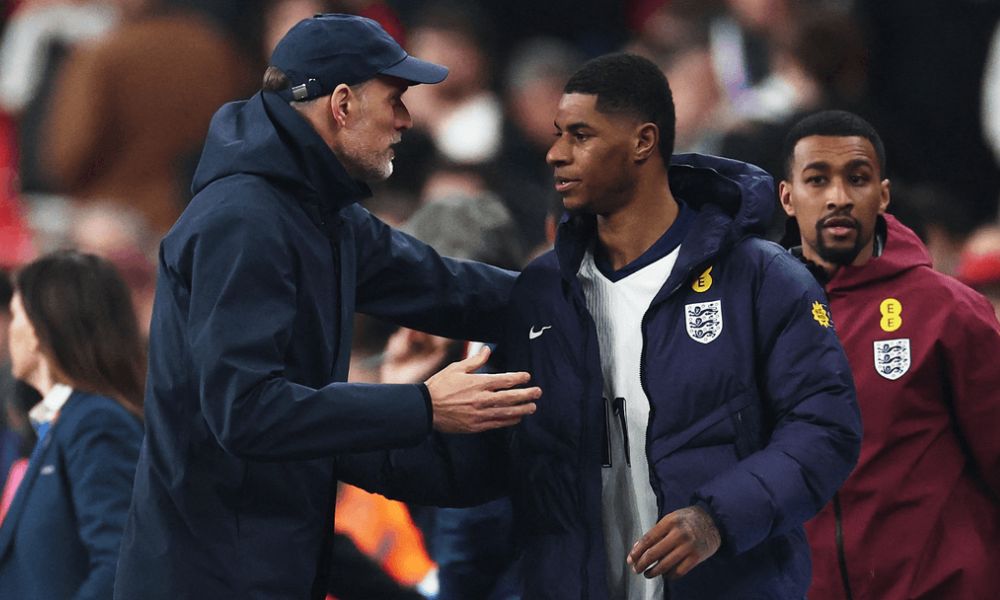
Marcus Rashford came on in the 83rd minute, produced accurate crosses, launched a well-timed long ball, and created multiple chances in the box more than Anthony Gordon managed in the 65 minutes he spent on the pitch before being hauled off. That ten-minute cameo told the entire story of England’s evening at Gillette Stadium in Foxborough, Massachusetts.
A 0-0 draw against Ghana that felt as frustrating as any result England have produced in recent memory, not because the outcome was catastrophic, four points from two games still keeps them firmly in control of Group L, but because of how completely Tuchel’s side were stumped by a team that came with one plan, executed it perfectly, and left England with nothing to show for 79% possession and 644 passes.
Ghana's defensive masterclass deserves genuine credit
Before getting into everything England did wrong, Ghana deserve proper recognition for what they did right. This was not accidental. Thomas Partey anchored a disciplined 4-1-4-1 shape that barely gave England a pocket of space to work with in the final third for the entire first half.
Semenyo and Iñaki Williams tracked back diligently, the defensive block stayed compact, and every time England tried to find the final pass, there was a Ghana shirt in the way. The Black Stars finished the game with 24 fouls committed, which tells you everything about their approach, physical, aggressive, committed to breaking up play before it could develop into anything dangerous.
The save count says it all too. Ghana goalkeeper Benjamin Asare made three saves to England‘s zero, which means Ghana were never really threatened enough for Pickford to have to do anything meaningful.
England had an xG of just 1.28 despite dominating the ball completely, which is a damning number. Big chances created, just one for England all game. Ghana came, parked, defended and went home with a point that puts them level with England at the top of Group L on four points. It is a brilliant tactical result for a side that many had already written off as group stage cannon fodder.
The Anthony Gordon problem has become impossible to ignore
Anthony Gordon started this match because Tuchel wanted clinical, disciplined wide players who would stay in shape and not expose England defensively. The theory is understandable. The execution was a disaster.
Gordon was anonymous for 65 minutes, the one shot he managed went directly into the goalkeeper’s arms, and beyond that he offered almost nothing in terms of creativity, crossing, or the ability to beat his man in a one-on-one situation. Ghana’s right side knew exactly where Gordon wanted to go and shut it down every single time.
The frustrating part is that the solution was sitting on the bench. Rashford had already proven against Croatia that he could make an immediate impact, came on and scored within 20 minutes of entering the pitch in the first game.
Against Ghana, Tuchel used four other substitutions before finally bringing Rashford on in the 83rd minute. By that point there were barely enough minutes left to make a difference, and even then Rashford still looked England’s most direct and dangerous attacking player in the time he had.
The Saka substitution at 65 minutes was the right call and made an obvious difference. The Rogers and O’Reilly changes were defensible. But cycling through those options while leaving Rashford until the 83rd minute, against a team defending deep with ten men behind the ball, is a decision that is very hard to justify looking at the match from the outside.
The Marcus Rashford situation is becoming a pattern
This is not new. In the World Cup 2022, Rashford was joint top scorer for England heading into the knockout stages, four goals in six World Cup appearances before today, only behind Harry Kane, Gary Lineker, and Geoff Hurst on England’s all-time World Cup scoring list, level with Bobby Charlton and Michael Owen.
Southgate still benched him for the France quarterfinal and threw him on with less than ten minutes left. His free kick that night clipped the bar and dipped just over, closer to going in than Kane’s missed penalty, for what it is worth. England went out.
Now Tuchel is doing the same thing. Rashford had 28 goal contributions in roughly 45 games at Barcelona this season, doing most of that damage off the bench after starting only 18 of those matches. The hamstring concern that kept him out of one friendly was dealt with before the tournament, he trained fully and was declared fit. There is no injury excuse. There is no fitness excuse.
The pressing argument has some merit in terms of his profile not fitting a high-intensity pressing system, but Ghana were not a team that required heavy pressing, they had 21% possession and were sitting in their own half for large parts of the game. That is exactly the kind of match where you want a direct, pacey, technically capable winger who can beat a man and put a cross in the box. That is Rashford‘s profile almost perfectly.
England's structural problems against a low block
The deeper issue here is that England simply do not know what to do when a team parks behind the ball and dares them to break it down. The passing stats look impressive on paper, 585 accurate passes, 93% completion, but almost none of those passes were going forward into dangerous areas.
The ball moved laterally, went backwards, recycled through the midfield, and came back to the same positions without any real penetration. Bellingham drifted into pockets without finding the right final ball. Kane waited for service that rarely arrived in the right areas and the one chance he had from a rebound he sent over the bar from close range.
The substitution pattern summed up the confusion. Tuchel introduced Rogers and then O’Reilly, two players with a similar profile to those already on the pitch, before eventually making the changes that actually gave England different dimensions.
Saka on the right changed things immediately and gave England their best spell of the game in the final quarter. The crossbar was hit, there was a goal-line clearance late on, and for a ten-minute spell it felt like England might find a way through. But by then the game was almost done and Ghana held on comfortably.
What the draw means for Group L
England sit top of Group L on four points alongside Ghana, with both sides now knowing what they need from the final group game. England face Panama, who have lost their only game so far, and the expectation is that Tuchel’s side will win that comfortably and advance as group winners.
Ghana face Croatia in what shapes up to be a fascinating finale, Croatia need to win to have any realistic chance of progressing, and if Ghana hold on for a draw or win, they will almost certainly be through to the knockout stages for the first time since that 2010 quarterfinal that ended in such heartbreaking fashion on penalties.
It is worth noting that England have now drawn their second group game at each of the last four major tournaments: 0-0 against Scotland at Euro 2020, 0-0 against the USA at the 2022 World Cup, 1-1 against Denmark at Euro 2024, and now 0-0 against Ghana here.
The pattern is consistent and slightly alarming, but the context matters, in each case England have still been in a strong position to qualify from their group, and the real test will come when they face opposition that is prepared to attack them rather than defend.
Teams like France, Spain, or Portugal will not sit in a low block against England. When England face open, expansive football, they are a genuinely dangerous side as Croatia found out in the first game. The question is whether the draw against Ghana is a blip or a warning about a structural problem that better teams in the knockout rounds will expose.
Kane’s post-match comment, that England handled the time-wasting and foul-winning tactics pretty well, is technically accurate but also slightly beside the point. Handling a team’s attempt to slow the game down is the minimum requirement. Finding a way to actually break them down and win the match is what separates contenders from pretenders, and on Tuesday night in Foxborough, England never managed it.
Frequently Asked Questions
Yes. England remain in a strong position with four points from two matches and are favourites to qualify from Group L.
The result leaves England and Ghana level on points at the top of Group L, with qualification for the knockout stage still firmly in their own hands.
England dominated possession against Ghana but lacked creativity and penetration in the final third. Similar issues have appeared in previous tournaments when opponents have defended deep and denied space behind the back line.
Yes. Rashford has a strong record in major tournaments and has often delivered important goals and impactful substitute appearances for England.
England remain one of the tournament favourites, but performances against deep-lying opponents have raised concerns about whether they can consistently break down organised defences in the latter stages of the competition.

Amar Pal Singh Bhalla is a sports writer covering cricket, football and tennis.
Based in India, he has followed the game for the last few years and writes
match analysis, previews and features for Beyond The Score