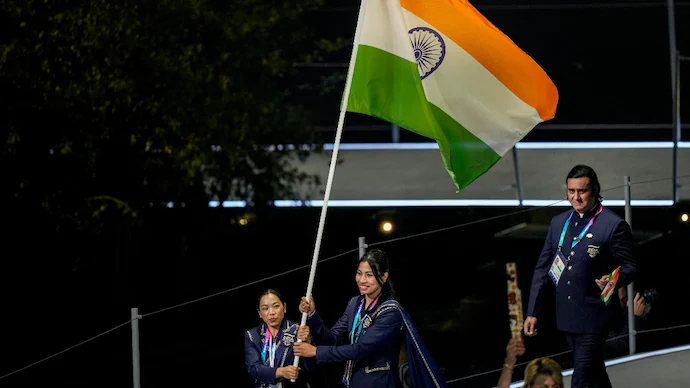
The Asian Games have started, and before we have even had enough time to properly get into the competition, I already know where a large part of the conversation is going to go.
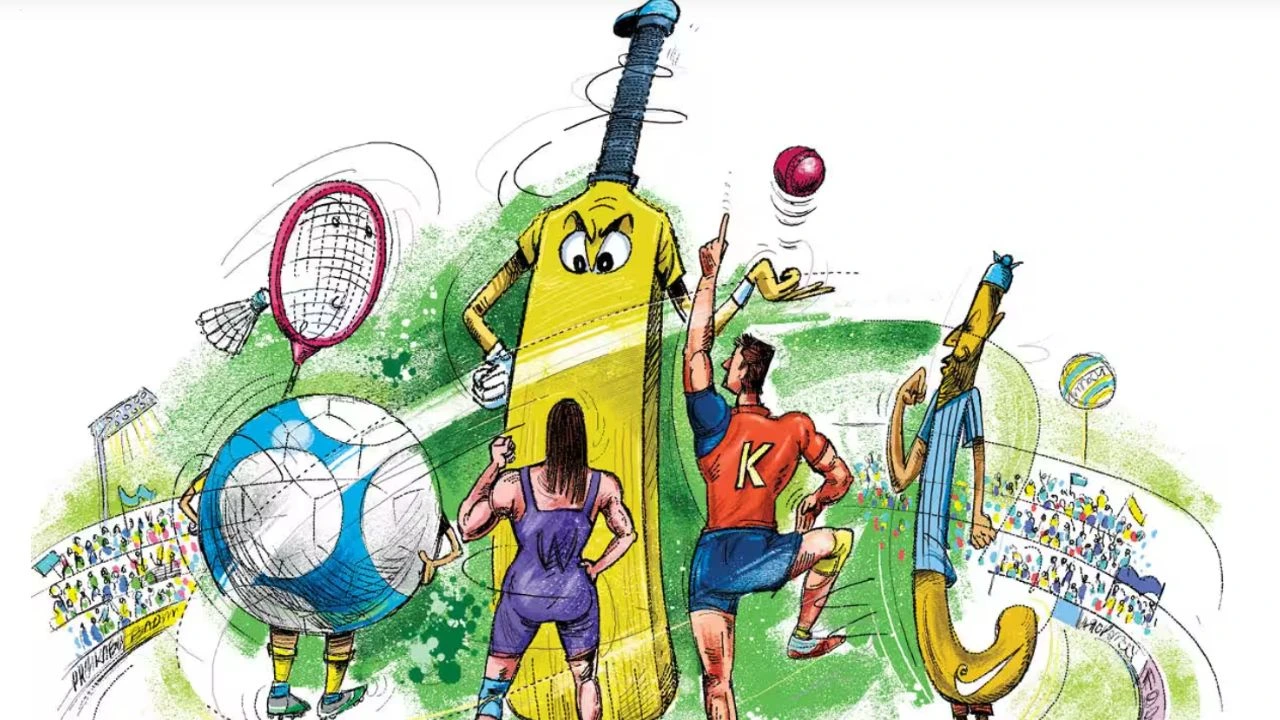
It happens every time there’s a big multi-sport event in India. We can have athletes competing in athletics, wrestling, shooting, badminton, swimming, archery, boxing, weightlifting and God knows how many other sports, and somehow cricket still finds a way into the conversation. Someone wins a medal and we start talking about how little money their sport gets compared to cricket. Someone loses and suddenly cricket is being blamed for why nobody cares about the sport. It doesn’t even matter what happened on the field anymore. Give the Asian Games a few days and someone will be comparing an athlete’s funding with an IPL contract, talking about BCCI money or asking why a country this big is so obsessed with one sport. We haven’t even finished watching the medals being handed out and somehow cricket is already sitting in the middle of the bloody argument.
And that’s the part I find interesting. The Asian Games are one of those rare times when Indian sport is right there in front of us in all its ridiculous variety. For a couple of weeks, we get to see sports and athletes who normally barely get a mention.
We could be talking about why a wrestler spends years preparing for one competition, why our athletics system keeps producing the odd individual star instead of a proper pipeline, why some sports struggle to find sponsors, why domestic competitions barely get watched, or why athletes still have to fight for basic facilities. There’s so much actually worth talking about. And yet somehow, we keep dragging the conversation back to the one sport that wasn’t even the reason we switched on the Asian Games in the first place.
I don’t think the frustration with cricket is completely ridiculous either. That would be too easy. Cricket has an enormous commercial advantage in India, and the difference between the ecosystem around cricket and the ecosystem around many Olympic sports is obvious. An athlete can spend years training for one event and still struggle to get the kind of facilities and financial support that are normal in cricket.
You can look at the money around the IPL and then look at the conditions in which some athletes train and wonder how the gap became so enormous. That’s a perfectly reasonable thing to question.
But somewhere between noticing that difference and blaming cricket for every problem in Indian sport, I think we’ve lost the plot a little. If India wins a huge number of medals at these Asian Games, we’ll hear that our athletes are doing all this despite cricket getting everything. If India has a poor Games, we’ll hear that cricket has taken all the attention away from the sports that actually matter. Somehow cricket has already become the explanation for both outcomes, and the bloody thing hasn’t even happened yet.
Every time a multi-sport spectacle like the Asian Games, Commonwealth Games, or Olympics rolls around, a peculiar national ritual plays out across Indian living rooms and social media feeds. It doesn’t matter if the contingent brings home a record haul of gold or gets caught on the wrong end of a photo finish – the emotional trajectory of our outrage always finds its way back to a single destination: Cricket.
If Indian athletes excel in Aichi-Nagoya, the immediate response won’t just be praise for the track-and-field stars, shooters, or badminton pros. It will be a chorus of self-righteous scolding: ‘See what our athletes can do without a fraction of BCCI’s thousands of crores? Imagine if we gave 10% of cricket’s budget to athletics!’ The victory of a wrestler or a javelin thrower is rarely celebrated purely on its own merits; it is weaponized as a moral indictment against the country’s favourite sport.
Conversely, if India underperforms in key events or misses out on expected podiums, the narrative shifts seamlessly without losing an ounce of bitterness: ‘We are a nation of one billion people obsessed with a game played by a dozen countries, while real sports starve for attention.’
It is a uniquely Indian paradox. Cricket operates as both our ultimate pride and our favorite national scapegoat.
Now, I don’t think all of this is completely irrational. Cricket really does occupy a ridiculous amount of space in Indian sport. It has the money, the sponsors, the television deals, the leagues, the advertisements, the celebrity culture and an audience that is willing to watch it for hours. There is a reason people keep making this comparison. When an athlete from another sport is training for years and struggling with basic facilities while an IPL player is earning millions, the contrast is difficult to ignore. You don’t have to hate cricket to look at that and think there is an imbalance.
But this is where I get stuck. Why does it always become so cricket is the problem? If an athletics facility is shit, who’s responsible for that? If a federation is badly run, who’s running it? If the domestic competition is crap, why is it crap? Where are the coaches? Why aren’t more kids coming into these sports? Why can’t they get sponsors? Why do some national competitions have barely anyone watching? And what happens to an athlete six months after the Asian Games, when the medals are packed away and nobody is pointing a camera at them anymore?
These are the questions I would rather see people arguing about.
We talk about cricket’s money as if there is one giant pile of cash sitting somewhere and the BCCI is standing in front of it with a cricket bat, stopping an athlete from taking some of it home. That’s not how this works. BCCI’s money did not come from some government account where there was already a fixed amount meant for Indian sport and cricket simply took the whole thing. Cricket built its own commercial ecosystem. Broadcasters wanted it because people watched. Sponsors wanted it because people watched. Advertisers wanted it because people watched. Businesses saw an audience and built around it.
That doesn’t mean other sports don’t need more money. Of course they do. Money matters enormously in sport. An athlete needs equipment, coaching, travel, medical support, recovery, nutrition, competition and somewhere decent to train. You can’t expect someone to spend their life preparing for an international event and then tell them patriotism should cover the rest. But saying another sport needs more investment is very different from saying cricket is responsible for that sport not receiving it.
And this is where I think we have to look at ourselves too. We keep saying we want India to become a multi-sport nation, and yeah, I want that too. But what do we actually mean by it? Because most of the time it seems to mean we watch the Olympics every four years, show up for the Asian Games and Commonwealth Games, check the medal table, learn a few new names and then forget about them again once the whole thing is over.
I’m not saying everyone should suddenly become an expert in every sport. I’m not going to sit here and pretend I expect somebody to watch domestic archery every Sunday afternoon. People have jobs and families and other interests. Cricket happens to be what a huge number of Indians enjoy watching. That’s not some moral failure. But there is something strange about ignoring a sport for years and then becoming deeply concerned about its future for two weeks because an athlete has won a medal.
Suddenly we know how much funding these athletes get. We care about the facilities they train in. We know how much a cricketer makes. We even become experts on sports administration for a few weeks. Then the event ends, the athlete goes back to competing somewhere nobody is watching, and most of us go back to not knowing what the hell is happening.
That’s the part I don’t really understand. If we actually care about these sports, why does our interest have to wait for a medal?
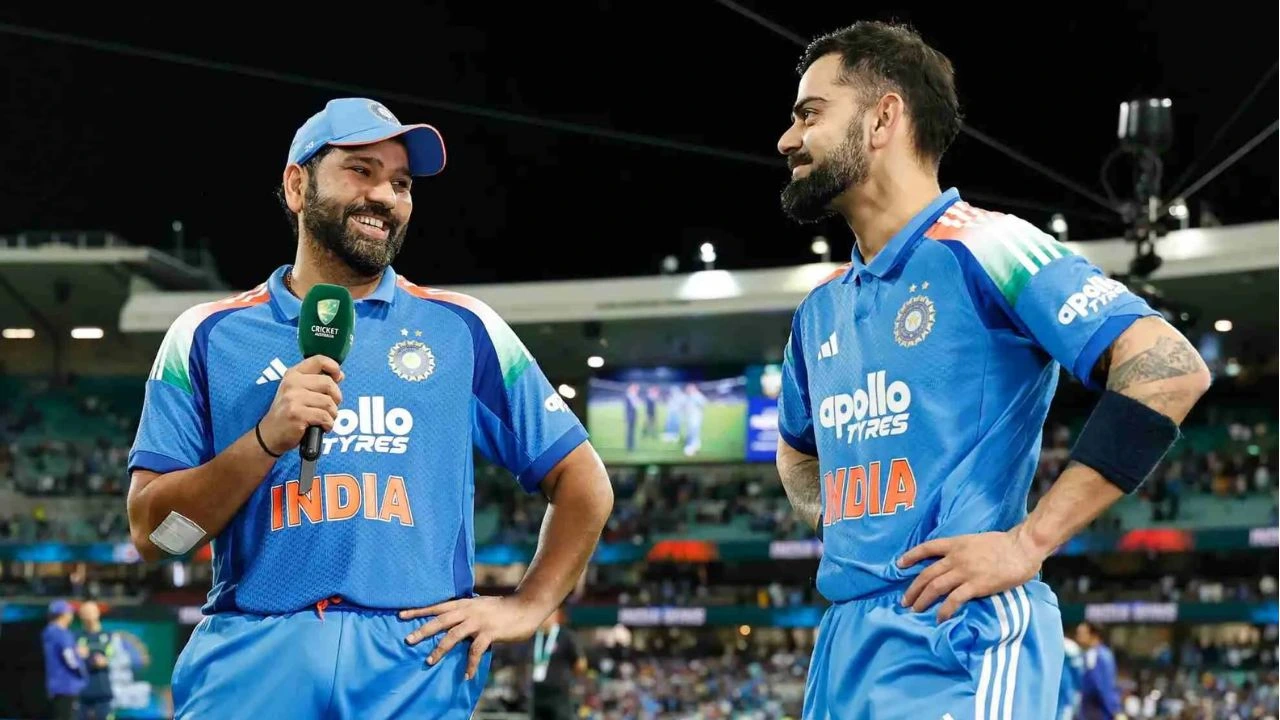
The Asian Games make this even more ridiculous because cricket itself is part of the event. India’s men’s and women’s teams are competing for gold, yet cricket still somehow occupies this weird position where it is simultaneously considered too important and not important enough. If India wins, there will be people saying, well, obviously, it’s cricket. If India loses, suddenly the loss will become a massive talking point. We complain that cricket dominates Indian sport and then give cricket even more attention by making it the centre of a conversation about other sports.
Imagine spending ten years of your life preparing for an Asian Games event and then winning a medal, only to watch people use it as proof in an argument about an IPL auction. That has to be one of the strangest things about being an athlete here. Your biggest moment somehow becomes someone else’s cricket debate.
I would be annoyed too.
And the same thing happens at the Commonwealth Games and the Olympics. An Indian boxer wins and we talk about boxing. A wrestler wins and suddenly wrestling matters. A shooter wins and everyone becomes interested in shooting. A weightlifter wins and we spend a few days talking about how India has incredible talent but doesn’t give these athletes enough support. Then the event ends. The athletes go back to competing in smaller events that barely get covered. Their names disappear from our feeds. Nobody knows when their next competition is.
Then another major event arrives a few years later and we act surprised that Indian sport still has the same problems.
The problem didn’t appear when the Games started. We just weren’t looking at it.
There is another thing that gets lost when cricket becomes the explanation for everything. Cricket being successful and another sport being unsuccessful are not necessarily two sides of the same story. Both things can happen at the same time. Cricket can have enormous television deals while athletics has poor infrastructure. The IPL can have players earning huge salaries while a young wrestler struggles for proper facilities. Indian cricket can have packed stadiums while a national championship in another sport is played in front of almost nobody.
Those things can all be true at once. One doesn’t automatically explain the other.
If we want better athletics, then there has to be a conversation about athletics itself. Same with wrestling, swimming, archery or whatever sport we are suddenly passionate about for the next two weeks. How are the domestic competitions being run? Where are the coaches coming from? Why aren’t more people watching? What are the federations doing? Why aren’t sponsors interested? There are enough questions sitting there already without dragging an IPL auction into the middle of everything.
And I’m not saying cricket should never be part of the conversation. Of course its dominance is worth discussing. When one sport occupies such a huge part of the country’s sporting culture, it is fair to ask whether that affects the visibility of others. It is fair to ask broadcasters why some competitions receive almost no coverage. It is fair to ask companies why so much sports sponsorship goes into cricket. It is fair to ask governments what they’re doing to create proper sporting infrastructure.
But those are different conversations from simply saying cricket is ruining Indian sport.
Because the second one is incredibly convenient.
You don’t have to understand how a federation works. You don’t have to ask why domestic competitions are badly organised. You don’t have to ask why coaches aren’t being developed. You don’t have to ask why young athletes disappear from the system. You don’t have to ask why sponsors don’t see enough value in a sport. You don’t even have to ask why we, the audience, aren’t watching.
You can just point at the IPL and say, look at that money.
Much easier.
And maybe that’s why we keep having this argument. Cricket is just so bloody big that it becomes the easiest thing to point at. Put an IPL salary next to what an athlete gets for training and the difference looks fucking ridiculous. Put a cricket broadcast deal next to a national championship and the gap is hard to ignore. Put an IPL stadium next to some shitty sporting facility and you’re naturally going to ask, how did we end up with one looking like that while the other looks like this?
Fine. Ask those questions. I have no problem with that. What bothers me is when the comparison itself becomes the entire argument. Because after we have finished saying that cricket has too much money, what have we actually learned about the sport we’re supposed to be discussing?
That’s the bit that gets lost.
If we really want other sports to become bigger, then someone has to actually build the things that make them bigger. Better domestic competitions. Better coaching. Better facilities. A proper pathway for young athletes to come through. More regular coverage. More competitions that people actually know are happening. Give fans a reason to know an athlete before the Asian Games come around, instead of expecting them to suddenly care because there’s a medal at stake.
That work is much less glamorous than blaming cricket. It takes years, and most of it is happening when nobody is paying attention. There isn’t going to be some great viral moment where everybody suddenly realises that a domestic athletics competition has finally been organised properly. You just have to keep doing it.
Cricket had to build its own audience too. It didn’t become massive because the rest of India suddenly decided one morning that cricket deserved to be successful. People watched it, businesses saw that people watched it, broadcasters put money into it, players became stars, competitions became bigger, and eventually the whole thing fed into itself.
Other sports don’t have to become cricket. They don’t need another IPL. They don’t need to copy every single thing cricket has done. But they do need to give people a reason to come back when there isn’t an Asian Games medal waiting for them.
That’s probably the part of this whole argument that pisses me off the most. We want other sports to grow, but we talk about it as if cricket is the only thing standing in their way. It isn’t. There are people running these sports. Federations making decisions. Governments deciding where the money goes. Sponsors deciding what they want to put money into. Broadcasters deciding what gets airtime. And then there’s us, the audience, deciding what we actually give a shit about watching.
All of that matters.
The Asian Games will eventually be over. Some athletes will win medals, some will miss out by a fraction, some will become famous for a few days and some will probably disappear from everyone’s attention almost as quickly as they arrived. The medal table will be everywhere, politicians will post photographs, celebrities will congratulate athletes, and social media will have its usual bloody arguments about Indian sport.
And somewhere in all of that, somebody will blame cricket.
If India wins, cricket will apparently have held us back from winning even more. If India loses, cricket will apparently have distracted us from the sports that really matter. Either way, the conversation will find its way back to the same place.
Maybe we should stop trying to find one bloody explanation for everything. Indian sport has a lot of different problems, and every sport has its own version of them. Money is one. Administration is another. Infrastructure, coaching, exposure, audience interest, all of it plays a part. Some of these things are connected and some probably aren’t. Blaming cricket doesn’t really fix or even explain any of them. It just gives us an easy answer and lets us move on without actually asking what went wrong.
If we want better athletics, then talk about athletics. If we want better wrestling, talk about wrestling. Ask why the domestic competitions look the way they do. Ask why athletes have to fight for facilities. Ask why talented youngsters disappear. Ask why sponsors aren’t interested. Ask why the audience disappears between major events. Ask the people actually responsible for those things what they are doing about them.
There are enough questions sitting there already. And most of them have nothing to do with cricket.
Maybe that’s the uncomfortable part. Cricket is such an easy thing to point at because everybody knows it is huge. We can see the money, we can see the crowds, we can see the television coverage. It gives us something obvious to compare everything else against. But comparing a struggling sport with cricket doesn’t actually fix the struggling sport. At some point somebody still has to sit down and figure out why that sport is struggling in the first place.
I just hope we can talk about Indian sport without needing cricket to be the villain every single time. Because if every problem eventually becomes a cricket problem, we never really have to ask the more uncomfortable question: what are we doing about the sport itself?
Also READ: The Asian Games 2026 will give Indian people another shameful chance to pretend they care

Amar Pal Singh Bhalla is a sports writer covering cricket, football and tennis.
Based in India, he has followed the game for the last few years and writes
match analysis, previews and features for Beyond The Score