The Asian Games are just round the corner, and I already know how this is going to play out in India because we have done this so many times before. Some athlete is going to win a gold medal in a sport most of us probably couldn’t even explain properly if someone stopped us on the road tomorrow, and within a couple of hours we are going to become lifelong fans.
We will know the athlete’s name, put up the photograph of them holding the medal, go completely mad about how India is finally recognising its real heroes and start talking about their entire journey as if we were there from the beginning. We will know the story somehow. We will know about the struggle, the sacrifice, the family, the coach. At least for three days, we will.
The funny thing is that some of these athletes may have spent years training while most of us had absolutely no idea they existed. They could have been travelling to small tournaments, worrying about money, dealing with injuries, training in places nobody has heard of and spending years trying to get selected. There may have been days when even their neighbours didn’t know what sport they played. Then they win a gold medal and suddenly we remember that India has a team in that sport.
What makes it even funnier is that the numbers don’t really support this idea that these sports are some occasional miracle that appears every four years.
India won 57 medals at the Asian Games 2014, 69 in 2018 and then 107 in Hangzhou in 2023, including 28 golds, 38 silvers and 41 bronzes. The jump from 69 to 107 was huge, and it was the first time India crossed 100 medals at the Asian Games. We had 655 athletes in Hangzhou, and they weren’t all there to make up the numbers. Athletics produced 29 medals. Shooting produced 22. India won all five available gold medals in compound archery, both cricket golds and both kabaddi golds. Shooting itself went from nine medals in 2018 to 22 in Hangzhou Asian Games.
So when somebody wins a medal in shooting, archery, athletics, wrestling or one of those sports that suddenly becomes everybody’s favourite, they haven’t appeared from nowhere. There have been people doing this for years. We just tend to notice the work once there is a medal attached to it.
And that progression is actually worth remembering because we have this strange habit of treating every Asian Games as if India has just started taking sport seriously. 2014: 57 medals. 2018: 69. 2023: 107. 2026: the target is 100-plus again. That’s a pretty significant change over twelve years. India has also been collecting medals from many of the same supposedly ‘lesser-known’ sports throughout this period.
Historically, athletics has given India more Asian Games medals than any other sport, with shooting, wrestling and boxing also contributing heavily. So when the television coverage suddenly starts explaining a sport after an Indian wins something, I sometimes wonder how much of that explanation is actually for the viewer and how much of it is for the people who have been pretending they were interested all along.
This year’s Asian Games in Aichi-Nagoya have 43 sports and 469 medal events, which means there is absolutely no chance that an ordinary Indian is going to follow everything. I won’t. You probably won’t either. There are around 17,000 athletes and officials from 45 countries and regions, and there are sports on the programme that most people here will barely encounter in their lives. Mixed martial arts, padel, surfing, virtual taekwondo and teqball are among the new additions, while esports and breakdancing are also part of the Asian Games. I can already imagine what happens if an Indian wins something in one of those sports. Half the country will spend a day asking what the hell the sport is, the other half will pretend they knew about it, and by the end of the week somebody will be complaining that India doesn’t support it enough. That is probably how we discover half our sports in the first place.
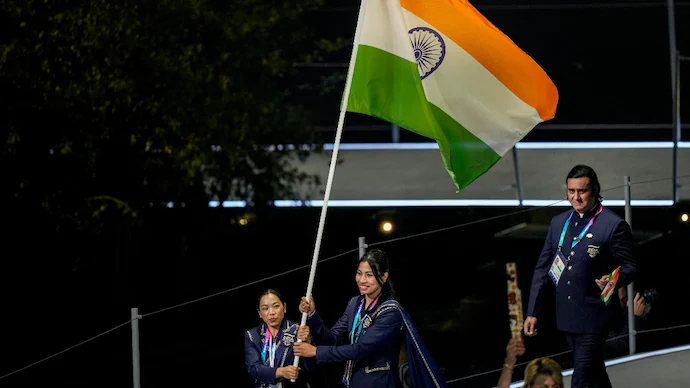
India is going into these Asian Games with another 100-plus medal target, and there are plenty of familiar names around the contingent. Manu Bhaker, Esha Singh and the rest of the shooting group will carry expectations after what India did in Hangzhou. Jyothi Surekha Vennam is coming off an Asian Games where she won three gold medals. Mirabai Chanu is still looking for an Asian Games medal to add to a career that already includes an Olympic silver and a World Championship gold. PV Sindhu will be one of the biggest names in badminton, Lakshya Sen is another player people will be watching, Aman Sehrawat is part of India’s wrestling hopes, and there are expectations in athletics, archery, squash, weightlifting, hockey and kabaddi. Neeraj Chopra won’t be there because of injury, which obviously changes the athletics conversation, but even without him India isn’t exactly arriving in Japan with nobody to watch.
Avinash Sable is probably the athlete who best fits the story I am trying to tell. He is already an Asian Games champion. He won the steeplechase gold in Hangzhou. Then he went through a very different period of his career, spending around 14 months away from competition after ACL surgery. He has spoken about the fear he felt around the hurdles after the injury, which is a particularly cruel problem for somebody whose entire event involves repeatedly throwing himself over them. He came back and recently ran 8:32.39 in Delhi, nowhere near his 8:09.91 personal best, but enough to show that he was getting back into competition.
If he defends his title in Japan, watch how quickly the country catches up with his story. We will talk about the injury, the comeback, his childhood, his training and all the sacrifices he made. People will call him an inspiration. His photographs will be everywhere. There will probably be videos with emotional music because apparently no sporting achievement in India is complete until somebody puts sad piano music behind it. And all of it will be deserved. The slightly uncomfortable part is that Sable deserved to be interesting before he won the medal too.
The same thing happens with the media around these events. An athlete can spend years competing in front of small crowds and suddenly become the most interesting person in the country because they stood on a podium for 30 seconds. Their parents will be interviewed, their childhood photographs will come out, their first coach will be found, their school will be visited, and somebody will discover an old pair of shoes or a broken racket or whatever piece of childhood memorabilia makes the story feel complete. I don’t even dislike that coverage. I enjoy some of it myself. There is something lovely about finally learning the story behind an athlete whose name you had never heard before. But we often mistake those three days of attention for support. They aren’t the same thing. The athlete didn’t suddenly become worthy of knowing because they won. We simply had a reason to know them now.
Then the politicians arrive, and this is where the whole thing becomes almost comic.
An athlete can spend years worrying about training facilities, travelling to competitions and finding enough money to continue their career, but the moment they win gold there will be no shortage of people standing beside them.
The congratulatory posts start coming in, someone announces prize money, another government announces something else, there’s a ceremony, flowers, photographs, and then you get that classic photograph where the politician congratulating the athlete takes up most of the frame while the actual athlete is standing somewhere on the side with barely any space. I’m not saying government support is meaningless. Far from it. Money, facilities, coaching and travel support can genuinely change an athlete’s career. It’s just funny how we seem to discover people at the exact moment they become useful for a photograph.
And then you look at football this year and the whole thing gets even more absurd.
India isn’t sending its men’s or women’s football teams to the Asian Games because of the policy governing funding for team sports. The policy requires teams to be ranked within Asia’s top eight to receive funding for the Games, and India’s men’s team is ranked outside that group while the women’s team is also outside it. The stated reasoning is that limited resources should go towards sports where India has a stronger chance of winning medals rather than treating the Asian Games as an exposure trip.
You can argue about the policy itself, but the basic situation is interesting. We spend an enormous amount of time saying that Indian sport needs to move beyond cricket, and then one of the country’s biggest sports doesn’t even have its national teams at the Asian Games because they don’t meet the medal criteria. A shooter can win a medal, an archer can win three golds, a wrestler can win a title and suddenly everyone is talking about these sports like they’ve been following them for years. The same people who probably didn’t know what was happening last month are now saying we need to support Olympic sports more.
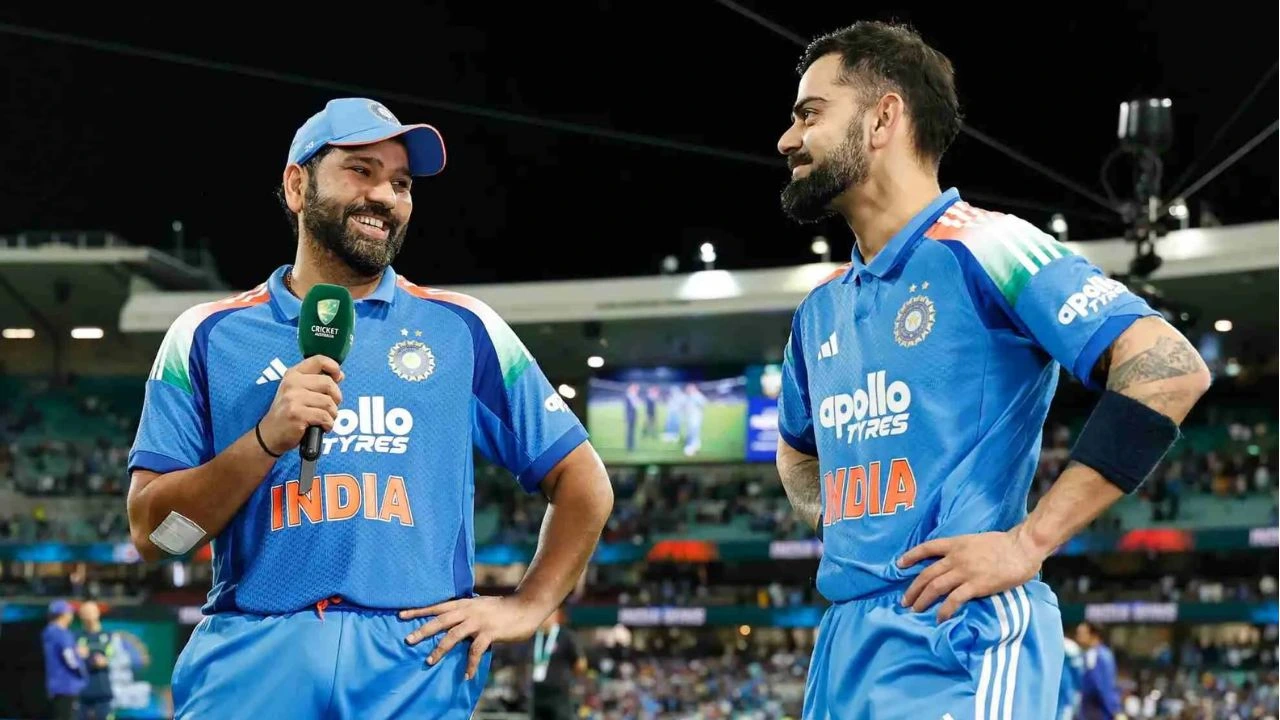
Cricket obviously doesn’t have to worry about being discovered. India’s women’s team is going to Japan after winning the Asia Cup and will be trying to defend the Asian Games gold it won in Hangzhou. The men’s team is there as well. Cricket already has the audience before the first ball is bowled. The rest of the sports have to earn that attention. And that difference becomes particularly funny during a multi-sport event because an athlete could spend years preparing for a final while an Indian cricketer gets roughly the same amount of national attention for hitting 70 off 45 balls. There is nothing wrong with people watching cricket. I watch cricket. That’s the point. The problem isn’t that we love cricket. The problem is that we sometimes behave as if attention is something that can only be given to one sport at a time.
And honestly, I don’t even know how much blame I can put on the ordinary fan here. There are 43 sports and 469 medal events. Who the hell is following all of that? I am not. You probably aren’t either. Someone has a job, a family, a life and somehow we expect them to know the qualification route of every wrestler while also remembering which shooter is competing in which event. That’s ridiculous. I don’t even know half of it. The problem isn’t that we don’t know everything. The problem is what we do after we finally know someone’s name.
Because we keep having the same conversation after every major event. We celebrate the athlete. We complain that cricket gets too much attention. We say the government should support other sports. We say the media should cover them more. We say children need more sporting heroes. We say India has so much talent. And then the Asian Games finish, the Commonwealth Games finish, the Olympics finish, and most of those athletes go back to the same relatively quiet lives they had before the medal. The next time we see them might be when they win something again.
There is no easy way around that because sport is built around results. Winning changes everything. A gold medal can give an athlete money, recognition, opportunities and a completely different career. Of course people are going to celebrate it. I’m not asking everybody to become an expert in every sport. I am just amused by how quickly we rewrite our relationship with an athlete once they succeed. Yesterday, we had never heard of them. Today, we are telling them how proud we are. Tomorrow, we’ll probably be busy watching somebody else.
And that is probably the strangest thing about the Asian Games for me. We have become much better at producing athletes capable of winning medals. The numbers show that. 57 in 2014, 69 in 2018, 107 in 2023, and now another 100-plus target in 2026. The medals are coming from more sports. The names are getting bigger. The performances are getting better. But our relationship with the people producing those performances still seems to begin at the podium.
We don’t have to know every athlete. I certainly don’t. There are too many of them, too many events and too many sports I know absolutely nothing about. That’s normal. What isn’t normal, at least to me, is pretending afterwards that we were always interested. An athlete wins gold and suddenly everyone has apparently been following them for years. Their story becomes our story. Their struggle becomes something we claim we were watching. Their medal becomes proof that we always believed in them.
We probably didn’t.
They did.
Also READ: The strange death of the cricketing hero: 1996-2026
Amar Pal Singh Bhalla is a sports writer covering cricket, football and tennis.
Based in India, he has followed the game for the last few years and writes
match analysis, previews and features for Beyond The Score