When I first looked at India’s shooting medals at the Aichi-Nagoya Asian Games, the obvious story seemed pretty straightforward to me. India had won five medals, four silvers and a bronze, which meant shooting had once again given the country a good return at the Asian Games. I could have just written about who won the medals, added their scores, mentioned the medal table and moved on to the next story. At first, I honestly thought that was all there was to say.
But then I started reading about what these shooters had actually gone through before they got to Japan, and I realised there was a lot more to this than five medals.
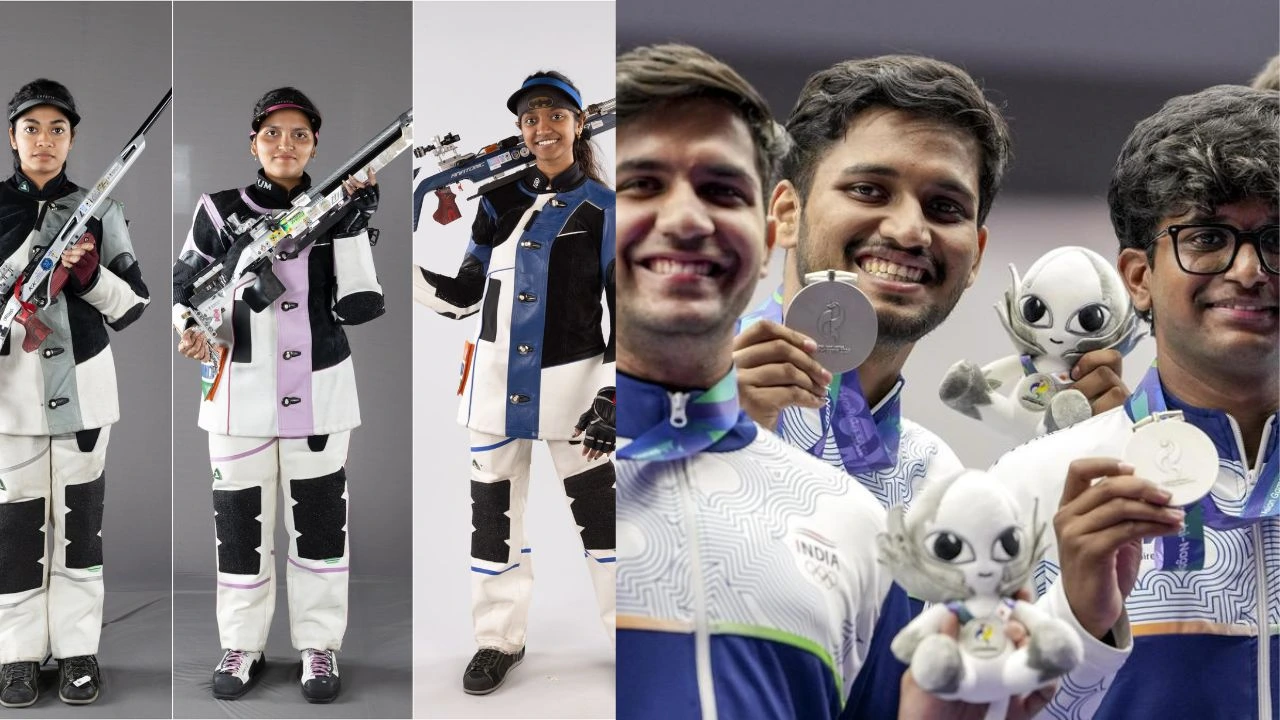
Elavenil Valarivan, Sonam Maskar, Vidarsa K Vinod, Rudrankksh Patil, Himanshu Dhillon and Parth Mane had all taken very different routes to get here. One had been waiting eight years for an Asian Games medal. One had a father who sold property so she could continue shooting. One spent years using borrowed equipment and even came close to quitting. One had already been a world champion but then missed the Olympics. One had tried wrestling before settling on shooting. And one was only 18, competing at his first Asian Games. They all eventually ended up at the same range in Japan, but their journeys to get there were completely different. That, to me, was much more interesting than simply looking at the five medals.
Take Elavenil Valarivan. Her shooting career didn’t start with some childhood dream of becoming an Olympian. A friend’s daughter was a shooter and one day offered her a rifle to try. Elavenil borrowed it for three months, and that was pretty much how it started.
Her parents were academics, her father was a scientist, and she had actually imagined becoming a scientist herself. Shooting slowly became something she wanted to take seriously, and by 15, she was already properly pursuing it. There was even a funny little sign early on that nobody could have known where this was heading. At one district championship, she scored just 128 out of 400.
Years later, that same girl would become a junior world champion, compete at two Olympics and become one of India’s leading 10m air rifle shooters. But one thing was still missing from her career. She had been to the Asian Games before and hadn’t won an individual medal. So when she arrived in Japan at 27, this wasn’t exactly her first big competition. She had simply been waiting a long time for this particular medal.
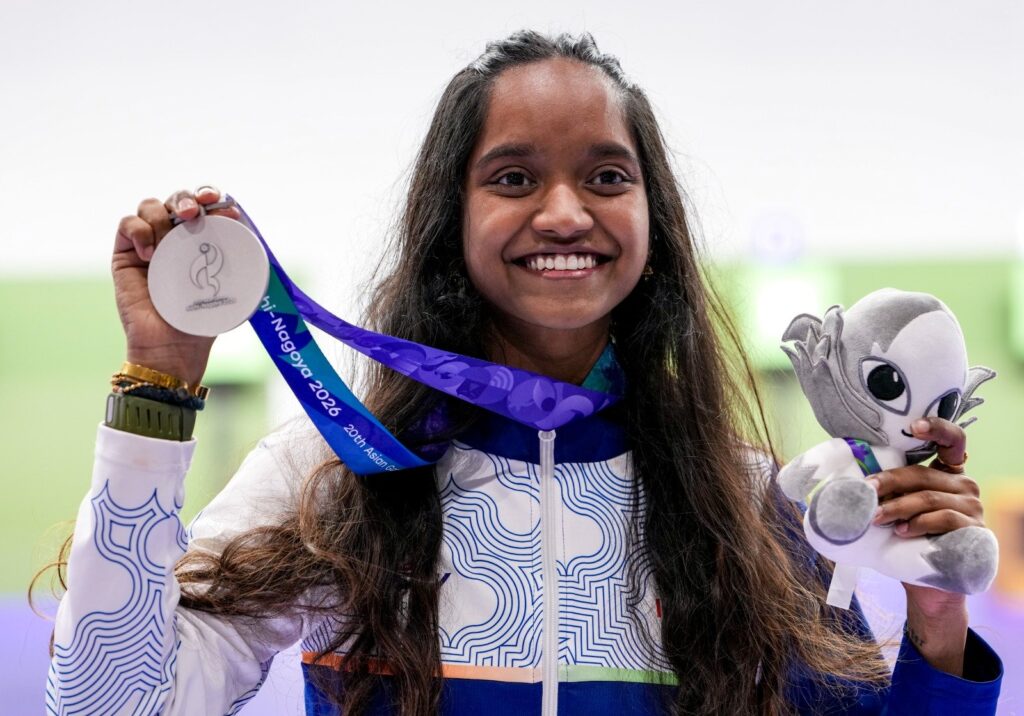
Sonam Maskar came into shooting almost by accident. In 2018, while studying commerce in Mumbai, she wanted to try something different. She liked sports, played chess and decided to give shooting a try. It was just a hobby then. But the hobby slowly became serious, and with that came the rather less fun question of how to pay for it.
During the Covid pandemic, her father’s milk-supply business took a financial hit and the family moved from Mumbai to Kolhapur. Sonam needed a proper rifle and equipment, which together cost more than ₹5 lakh. Her father, Uttam Maskar, sold a plot of land and a shop to help pay for it. Until then, she had been training with borrowed equipment.
Her name was at the top of India’s qualification scores in Japan’s Asian Games, where she shot 634.1 in the women’s 10m air rifle qualification. A few years earlier, she was borrowing equipment to keep going. Now she was leading India’s qualification and helping the country win its first medal of the Games.
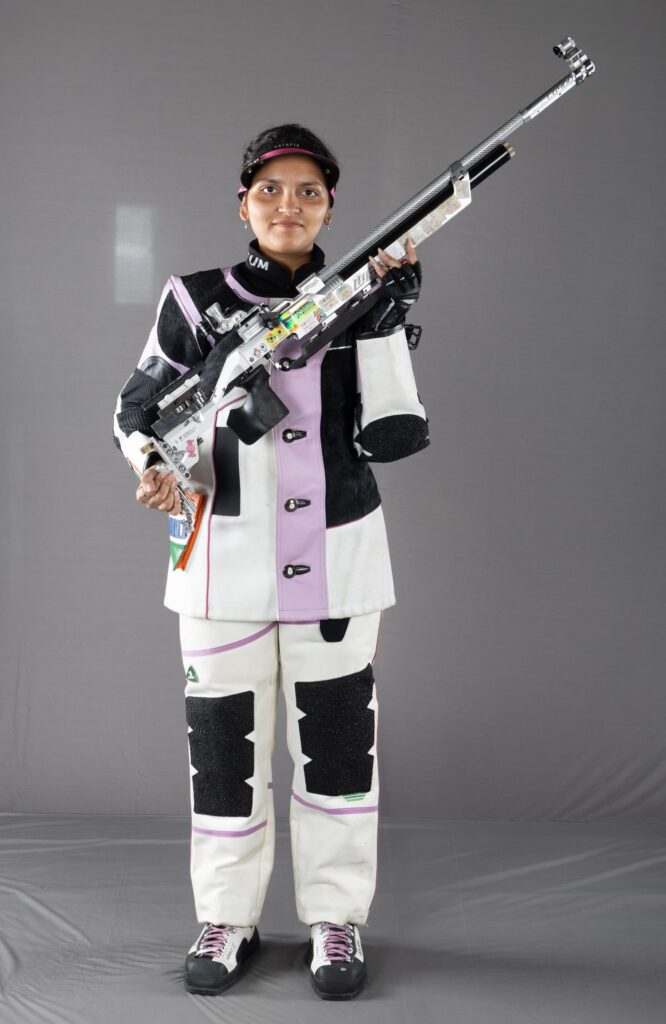
Then I got to Vidarsa K Vinod’s story, and I had to go back through it because there were so many changes in her journey. She first picked up a rifle at an NCC trial in 2018. She wasn’t someone who had grown up dreaming about becoming an international shooter. She just wanted to try something new.
She eventually became Kerala No. 1, but for a long time she didn’t even have her own rifle. During the pandemic, she spent about a year away from the range and started wondering whether she should continue because the cost of shooting was becoming difficult to manage. She eventually took a loan to buy a rifle and moved from Kerala to Delhi to train at the Dr Karni Singh Shooting Range. She didn’t know Hindi when she arrived, and suddenly she was also cooking for herself, managing her own chores and training twice a day.
In 2024, selection problems and the money her family had already spent on her career made her think about quitting again. Her husband and coach encouraged her to continue, and she eventually made the national setup. There is also this small detail I liked: the rifle she used at the Asian Games had originally been imported by her coach, Manoj Kumar, for his daughter. His daughter chose to focus on her studies instead, so the rifle was eventually given to Vidarsa.
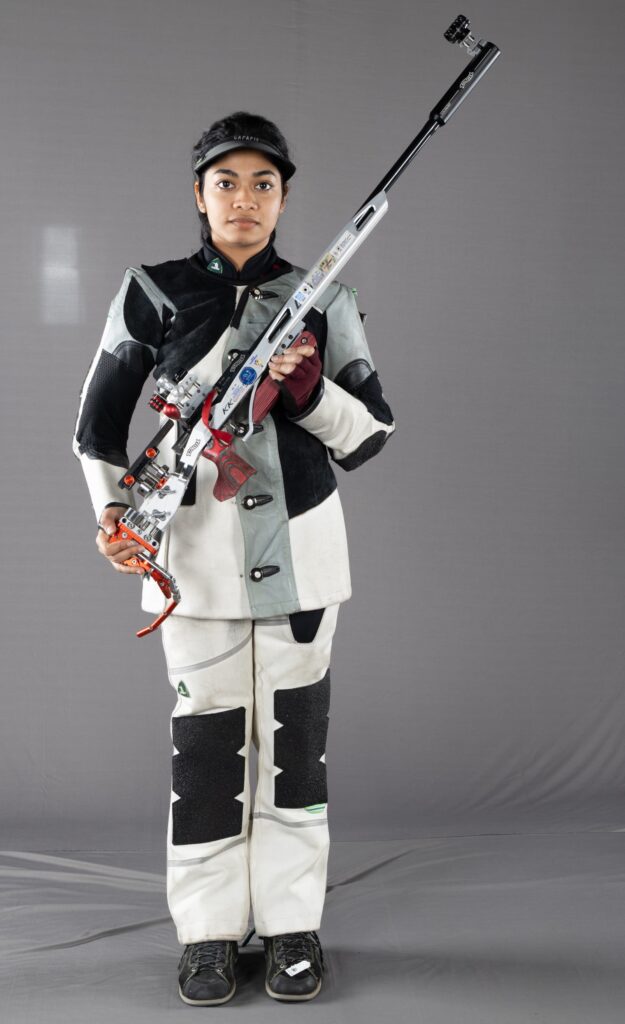
By the time Elavenil, Sonam and Vidarsa arrived at the range together, I already knew quite a bit about what each of them had gone through to get there. They were now competing together, but their journeys to that point had been completely different.
There was also a small problem before they even started shooting in Asian Games.
The Asian Games 2026 venue was in Toyota City, around 670 metres above sea level, and the journey from Nagoya could take roughly two hours on winding roads. The shooters were concerned about motion sickness and neck stiffness because they needed complete control once they reached the range. They used neck pillows, some slept during the journey and they avoided their phones. I found that quite interesting because we usually think about elite athletes in terms of training, preparation and competition, but sometimes their preparation is also just trying to arrive at the venue without a sore neck.
Once the Asian Games 2026 shooting started, all those stories from outside the range had to take a back seat to the numbers. Sonam shot 634.1. Elavenil shot 633.5. Vidarsa shot 630.4. Their combined score of 1898.0 gave India the women’s 10m air rifle team silver, behind China and ahead of Japan. Sonam and Elavenil also made the individual final. Elavenil had already waited eight years for an Asian Games medal, and now she had one with the team. But she wasn’t done yet. The individual final was coming up, and she had another chance to finally get the medal she had been waiting for.
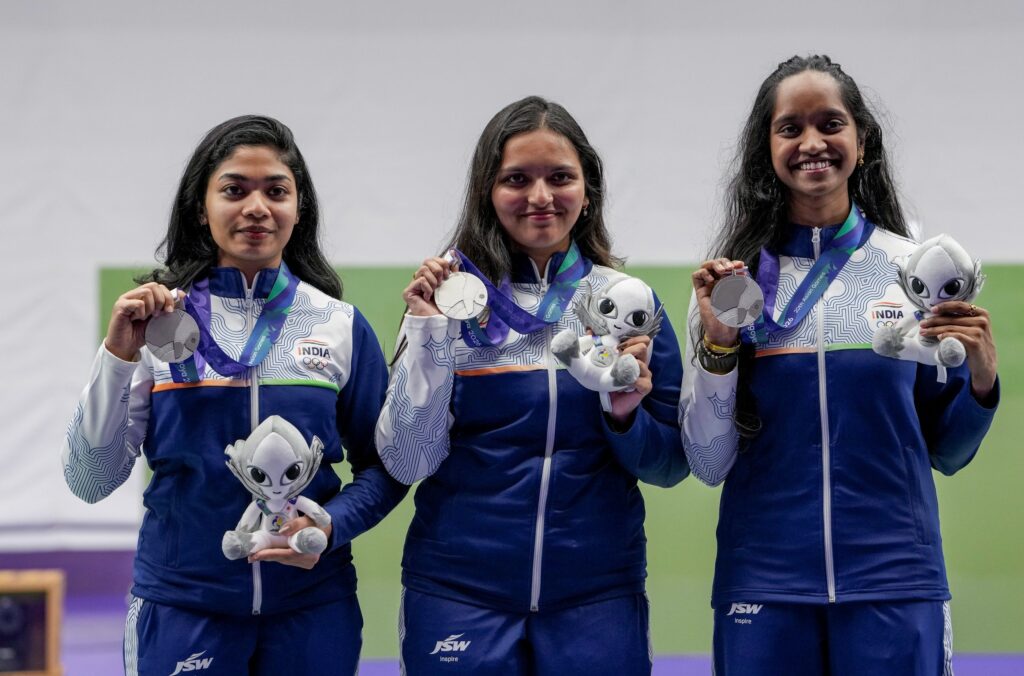
The individual Asian Games final was where things got a little frustrating for Elavenil. She wasn’t just sitting around the medal positions. She led for much of the final and looked in control. With the last couple of shots coming up, she was still ahead of Japan’s Taichi Hinata. Then Hinata shot 10.6, and Elavenil responded with 10.4.
The final scores were 253.0 for Hinata and 252.4 for Elavenil. Six-tenths. 0.6 points. That was the entire difference between gold and silver. Elavenil had waited eight years for an Asian Games medal, competed at two Olympics and spent years working towards this level. She had already won the team silver earlier that day, and now the individual gold had come down to less than one point. Elavenil later said she became a little relaxed after securing the medal. I can understand that. She had finally got the Asian Games medal she had been waiting for, but the final was still going on.
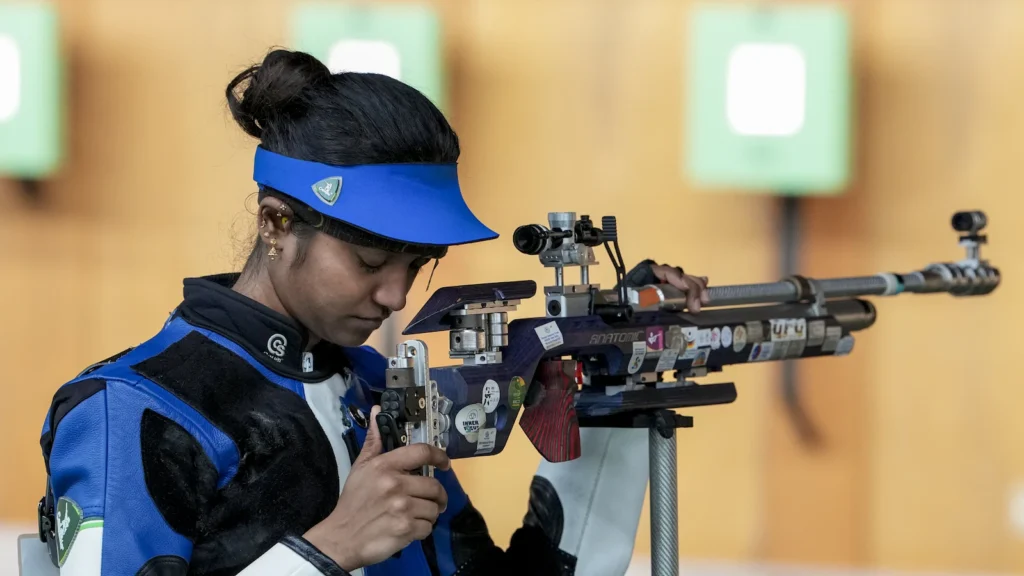
The men’s competition had a different story, especially Rudrankksh Patil. He wasn’t coming to the Asian Games as an unknown. Rudrankksh became the 10m air rifle world champion in 2022, earned an Olympic quota and then missed India’s Paris 2024 team after finishing third in the selection trials. That can sound strange if you don’t follow how selection works, but a world title doesn’t automatically guarantee a place in the Olympic team.
Rudrankksh later spoke about taking around six months to recover from that disappointment. He had become too focused on shooting and was trying to control everything around it, including his emotions, his rifle and his body. He eventually stepped away for a while, lost weight, added the 50m three-position event and tried to approach the sport differently. By 2026, he had won Asian Championship gold and was aiming for an Asian Games gold and eventually an Olympic gold. So his story in Japan was not just about what he had already won, but also about what happened after missing Paris.
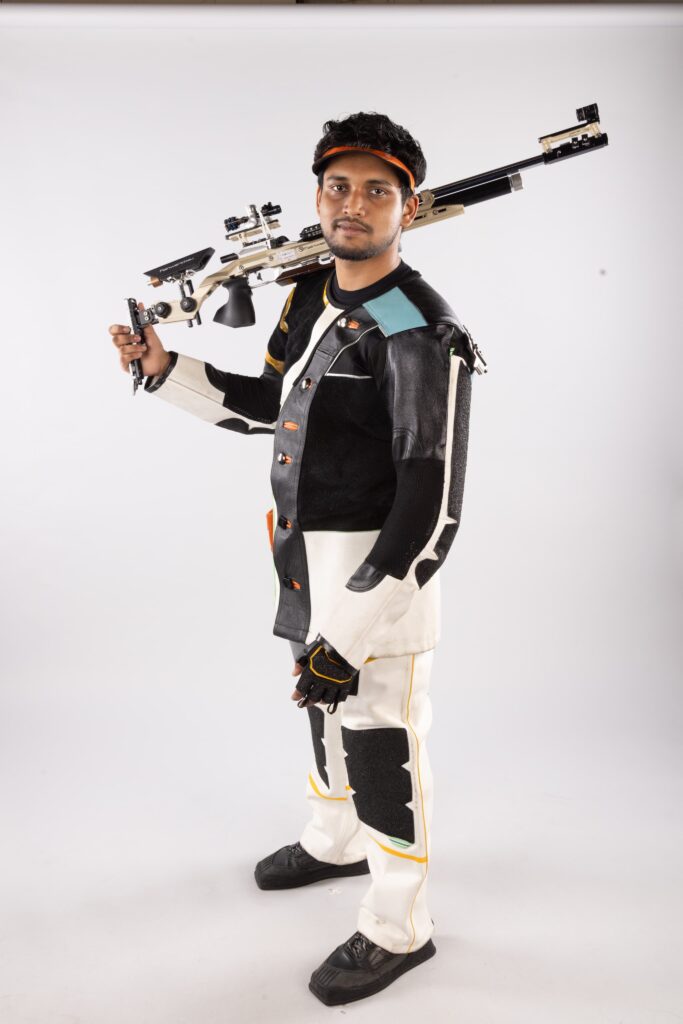
Standing alongside Rudrankksh was Parth Mane, and the age difference between them was pretty striking. Rudrankksh had already been a world champion. Parth was 18 and making his Asian Games debut. He first got into shooting when his father, a police officer and former college shooter, noticed that he was good at it during a shooting camp. During lockdown, the family even set up a small range at home so Parth could keep training.
Later, they moved around to give him access to better facilities and coaching. By the time he reached Japan, he was part of India’s senior team at an Asian Games, shooting alongside someone who had already won a world title. Parth finished 10th individually and missed the individual final, but his 628.3 still counted towards the team score. That is what makes the team event interesting to me. The three shooters don’t all have to finish in the same place. Their scores just have to add up when it matters.
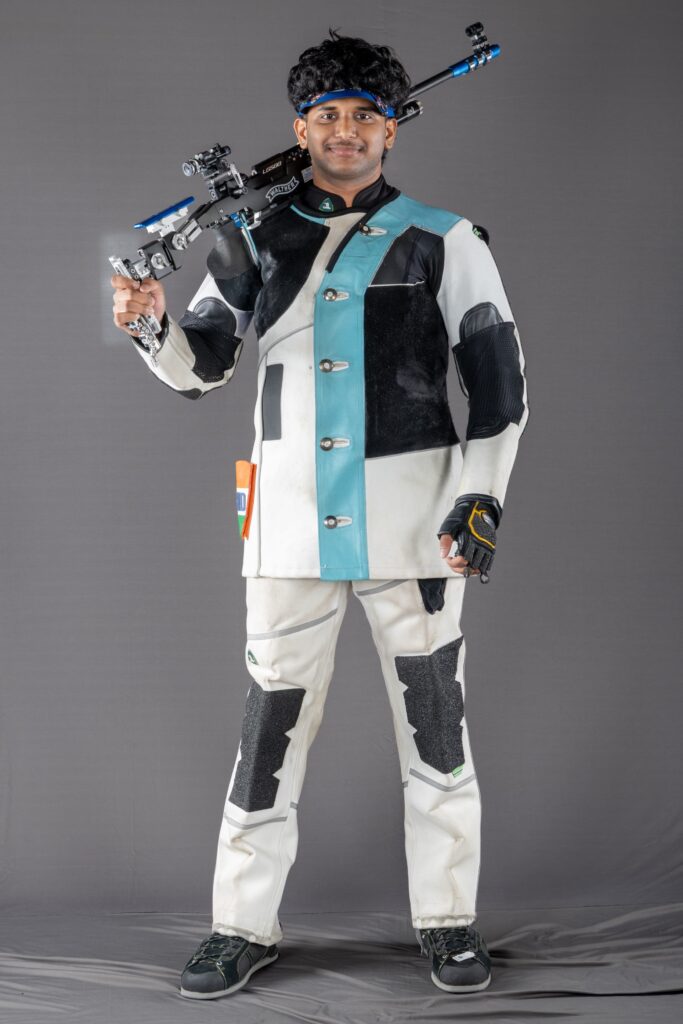
And then there was Himanshu Dhillon, who came to shooting after trying wrestling first. His family had a connection with wrestling, but Himanshu didn’t stay with it for long and eventually took up shooting. I find that interesting because shooting can look very simple when you watch it casually. Someone is standing there with a rifle, barely moving, and then there is a score on the screen. You don’t immediately see all the training and repetition behind those few seconds. By the time Himanshu reached the individual final in Japan, he had already helped India win the men’s team silver with Rudrankksh and Parth. Then he had to do it again on his own. He moved around the medal positions during the final before finishing with 252.4 for silver. Rudrankksh took bronze with 230.9, while China’s Sheng Lihao won with 254.2. Himanshu also turning 22 on this Sept 29, so he basically ended up celebrating his birthday with an Asian Games silver medal.
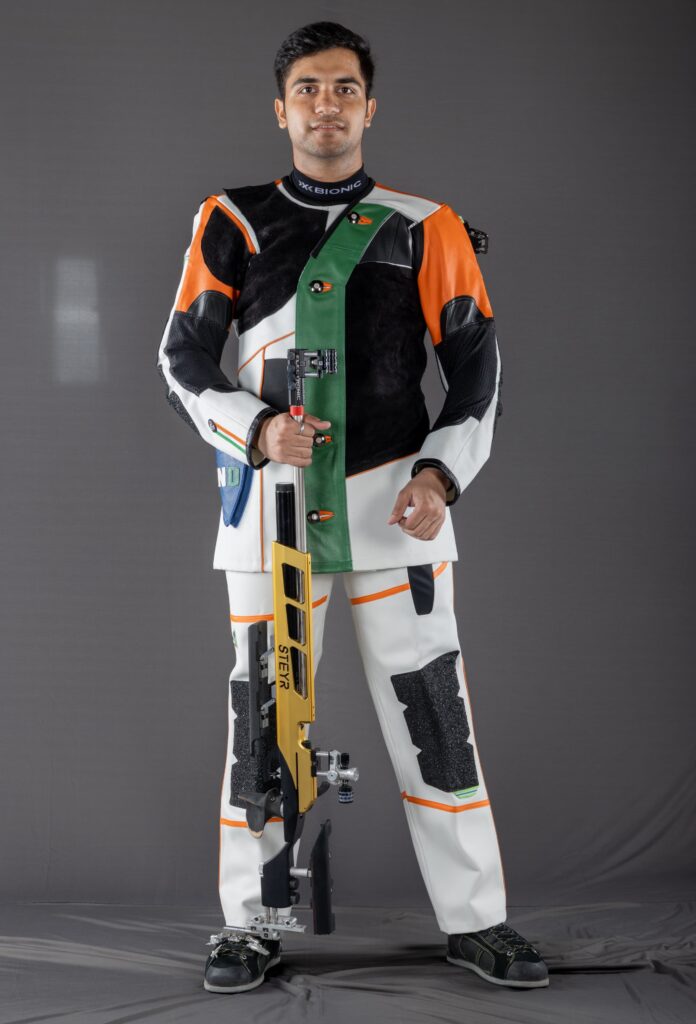
What I find interesting when I put all six names together is how different their backgrounds are, even though the medal table puts them all into a few numbers. Elavenil had spent eight years waiting. Sonam’s family had sold property. Vidarsa had trained with borrowed equipment and nearly quit. Rudrankksh had already been a world champion and then missed an Olympics. Parth was 18 and making his Asian Games debut. Himanshu had come to shooting after trying another sport. None of that is there in the results. You see their scores, their positions and the medals they won. You don’t see everything that happened before they got to Japan.
Maybe that is just how sport works. Competitions need winners, rankings and results, so eventually everything has to become a number. But reading these stories together made me notice how much gets left out when that happens. Take Vidarsa’s 630.4, for example. On the results page, it is simply a score. It doesn’t tell you that she first walked into an NCC trial without knowing where shooting would take her, that she spent a year away from the range during the pandemic, trained with borrowed equipment, took a loan for a rifle, moved to Delhi or came close to quitting. All of that happened before she shot those 630.4 points. The result only records the number.
The same thing happens with Sonam. Her 634.1 doesn’t tell you that her father sold a plot and a shop to help pay for her equipment. Elavenil’s 252.4 doesn’t tell you that she had been waiting eight years for an Asian Games medal. Rudrankksh’s bronze doesn’t tell you that he had already been a world champion before missing the Olympics. Parth’s team score doesn’t tell you that he was the youngest member of the group. Himanshu’s silver doesn’t tell you that he turned 21 that day. The scoreboard is only there to record the result. It doesn’t record everything that happened before it.
And that is why I don’t really want to write this as another story about five Indian shooting medals. The medals are important and they should be celebrated, but they only tell us what happened at the Asian Games. These shooters had been working towards this for years before they got to Japan.
Elavenil started with a borrowed rifle. Sonam started shooting as a college hobby. Vidarsa first tried it at an NCC trial. Sonam‘s family sold property to help with the cost of equipment. Parth’s family built a shooting range at home during lockdown. Rudrankksh became a world champion and then missed the Olympics. Himanshu came to shooting after trying wrestling. Those things don’t appear in the medal table, but they are part of how these six shooters got there.
Then, somehow, all those roads converged in Japan.
I like that coincidence. Elavenil, Sonam and Vidarsa came together and won the women’s team silver. Elavenil then added an individual silver, missing gold by 0.6. Rudrankksh, Himanshu and Parth won the men’s team silver, while Himanshu and Rudrankksh also won individual medals. Six people, six different stories, one range and five medals.
If you only look at the results, it was a successful Indian shooting campaign.
But the results don’t tell you much about how each of them got there. Elavenil had been waiting eight years for an Asian Games medal. Sonam’s family had sold property to support her shooting. Vidarsa had trained with borrowed equipment and considered quitting. Rudrankksh had been a world champion before missing the Olympics. Parth was 18 and making his Asian Games debut. Himanshu had come to shooting after trying wrestling.
For me, that is what makes these medals worth looking at beyond the medal table. The numbers tell us what they achieved in Japan. The stories tell us how they got there.
Also READ: The Asian Games 2026 will give Indian people another shameful chance to pretend they care
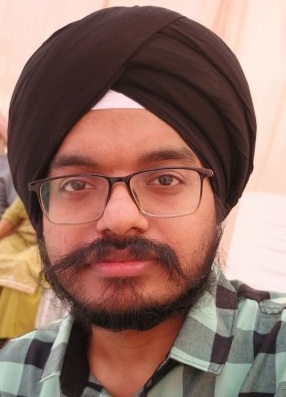
Amar Pal Singh Bhalla is a sports writer covering cricket, football and tennis.
Based in India, he has followed the game for the last few years and writes
match analysis, previews and features for Beyond The Score